
Parents and guardians continually seek engaging ways to occupy children, balancing developmental benefits with entertainment. This consistent demand creates a robust market for products, services, and content centered around kid-friendly activities, both within the home and in outdoor settings. Understanding the specific needs and contexts for these activities allows businesses to align their offerings and messaging effectively, capturing intent across various stages of a customer journey. This exploration details activity types, their inherent benefits, and practical considerations for effective implementation, providing a framework for identifying commercial opportunities and serving this perennial market.
Understanding the Core Demand for Kids' Activities
The drive for children's activities stems from fundamental parental needs: fostering development, managing energy levels, and creating positive family experiences. Businesses that address these core demands through their product lines or content strategies find sustained engagement. Activities are not merely time-fillers; they are integral to cognitive, physical, and emotional growth.
Skill Development through Play
Structured and unstructured play provides critical avenues for skill acquisition. Indoor activities often emphasize fine motor skills, problem-solving, and creativity, while outdoor play typically builds gross motor skills, coordination, and an understanding of natural environments. For example, a craft kit (indoor) directly supports dexterity and artistic expression, while a simple ball (outdoor) encourages spatial awareness and teamwork. The commercial implication is clear: products and services that explicitly link to these developmental benefits resonate strongly with parents.
Creating Memorable Family Experiences
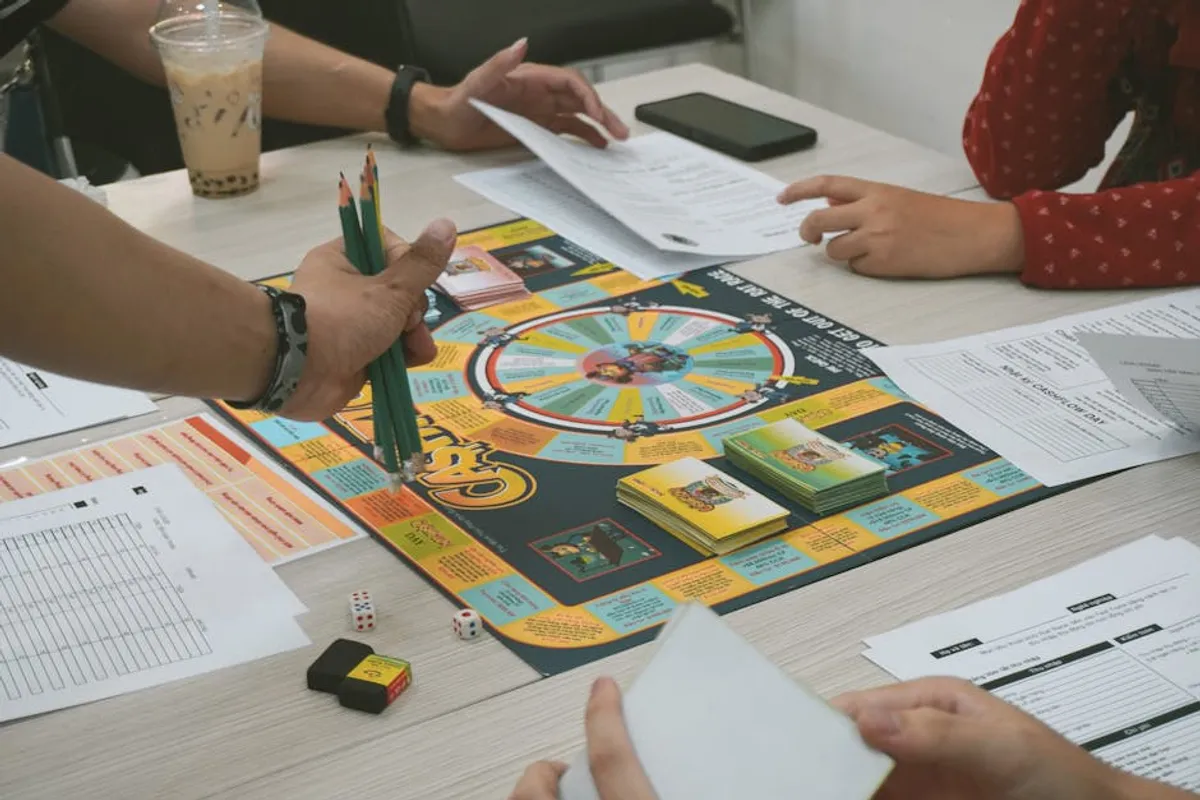
Beyond individual skill development, many activities are valued for their capacity to facilitate family bonding and create lasting memories. This aspect drives demand for items that support collaborative play, shared learning, or group adventures. Products like board games, camping gear, or DIY project kits tap into this desire for shared experiences. Content strategies can highlight these familial connections, positioning offerings as tools for strengthening relationships rather than just individual entertainment.
Engaging Activities for Indoor Environments
Indoor activities provide solutions for inclement weather, quiet time, or focused learning. They often require fewer resources and can be adapted to various age groups and attention spans.
Creative Arts and Crafts Projects
Art and craft activities are perennially popular due to their ability to foster imagination, fine motor control, and self-expression. Materials are widely available and can range from basic paper and crayons to more specialized kits.
- Painting and Drawing: Encourages color recognition, hand-eye coordination, and imaginative storytelling.
- Origami and Paper Crafts: Develops precision, patience, and spatial reasoning.
- Model Building (e.g., LEGO, K'nex): Enhances problem-solving, structural understanding, and following instructions.
- DIY Jewelry Making: Improves dexterity and allows for personal expression.
Commercial Application: This category supports extensive product lines, from bulk craft supplies to themed project boxes and subscription services. Content can focus on tutorials, project ideas, and the developmental benefits of specific crafts.
Educational Play and STEM Exploration
Activities centered around Science, Technology, Engineering, and Mathematics (STEM) offer structured learning opportunities in an engaging format. These often involve experiments, puzzles, or construction challenges that introduce foundational concepts.
Best for: Developing critical thinking, logical reasoning, and an early interest in scientific principles. Examples include chemistry sets, coding games, or simple physics experiments using household items. This segment drives sales of educational toys, science kits, and digital learning platforms.
Building and Construction Challenges
Construction-based play, whether with blocks, magnetic tiles, or recycled materials, encourages spatial awareness, planning, and perseverance. Children learn about balance, structure, and problem-solving as they create their own designs.
Commercial Application: This area supports a vast market for building toy brands and related accessories. Content can feature complex build ideas, challenges, and highlight the cognitive benefits of construction play.
Dynamic Options for Outdoor Adventures
Outdoor activities capitalize on natural environments, promoting physical health, environmental awareness, and a sense of adventure. They often require different types of gear and offer unique learning experiences.
Nature Exploration and Discovery
Activities that connect children with nature foster curiosity and an appreciation for the environment. These can be as simple as a scavenger hunt in the backyard or a more involved hike in a local park.
Best for: Promoting observation skills, physical activity, and environmental stewardship. Examples include bug collecting, bird watching, planting a small garden, or identifying local flora and fauna. This drives demand for magnifying glasses, nature journals, gardening tools, and outdoor apparel.
Active Play and Sports Fundamentals
Outdoor spaces are ideal for activities that require movement and energy expenditure. Engaging in sports or active games helps develop gross motor skills, coordination, and teamwork.
Commercial Application: This category fuels sales of sports equipment (balls, frisbees, jump ropes), protective gear (helmets, pads), and outdoor play structures. Content can focus on game rules, skill-building tips, and the health benefits of active play.
Gardening and Green Thumbs
Involving children in gardening teaches patience, responsibility, and an understanding of natural cycles. From planting seeds to harvesting vegetables, it's a hands-on learning experience.
Pro Tip: When planning outdoor activities, always conduct a quick safety check of the environment. Look for potential hazards like sharp objects, poisonous plants, or unstable structures. Ensure children wear appropriate clothing and sun protection, and consider a first-aid kit for minor scrapes and bites. This proactive approach minimizes risks and allows for uninterrupted enjoyment.
Commercial Application: This niche supports sales of child-sized gardening tools, seeds, planters, and educational books about plants. It also aligns with sustainability and healthy eating content themes.
Maximizing Engagement and Safety Considerations
Regardless of the activity, two factors are paramount: ensuring it is appropriate for the child's age and prioritizing safety. These considerations directly influence parental purchasing decisions and content consumption.
Age-Appropriate Adaptations
Activities must match a child's developmental stage to be engaging and beneficial. A complex craft project might frustrate a toddler, while a simple sensory bin might bore an older child. Products and content that clearly label age recommendations and provide adaptation tips for different skill levels add significant value.
Considerations: Fine motor skill requirements, attention span, cognitive complexity, and physical dexterity vary greatly by age. Businesses should segment their offerings accordingly.
Prioritizing Safety in All Settings
Safety is a non-negotiable for parents. This includes ensuring materials are non-toxic, equipment is sturdy, and activities are supervised. For outdoor play, awareness of weather conditions, potential hazards, and appropriate gear is crucial. Content that emphasizes safety features, provides supervision guidelines, or offers tips for creating safe play environments builds trust and credibility.
Leveraging Activity Insights for Content and Product Development
The diverse range of children's activities presents numerous opportunities for businesses. By understanding the underlying motivations and practical needs, content creators and product developers can tailor their offerings for maximum impact.
Consider developing content series around "DIY science experiments for preschoolers," "Backyard nature scavenger hunt ideas," or "Crafts using recycled materials." For product development, focus on kits that combine multiple developmental benefits, or gear designed for specific outdoor explorations. Emphasize the educational, developmental, and bonding aspects in all messaging. The market for engaging children's activities remains robust, driven by a constant parental desire to enrich their children's lives through play and learning.
Frequently Asked Questions
How do I choose activities for different age groups?
Focus on developmental milestones: toddlers benefit from sensory play and gross motor activities, preschoolers from imaginative play and simple crafts, and school-aged children from complex problem-solving, STEM, and sports. Always check product age recommendations.
What are cost-effective activity options?
Many engaging activities use household items or free natural resources. Examples include drawing with paper and pencils, building forts with blankets, nature walks, leaf rubbings, or creating stories together. Libraries also offer free resources and programs.
How can I encourage kids to participate in outdoor activities?
Make it an adventure: frame outdoor time as an exploration or a mission. Provide tools like magnifying glasses or binoculars, and join in the fun yourself. Start with short, positive experiences and gradually increase duration and complexity. Making it an adventure is a great way to encourage kids to participate in fun outdoor activities.
What are the benefits of structured vs. unstructured play?
Structured play (e.g., following craft instructions, sports lessons) teaches rule-following, specific skills, and cooperation. Unstructured play (e.g., free play in a park, imaginative role-playing) fosters creativity, problem-solving, independent thinking, and emotional regulation. Both are vital for holistic development.