
Selecting outdoor activities for children involves more than just finding ways to fill time; it's about identifying experiences that contribute to physical development, cognitive growth, and emotional well-being. The right activity can cultivate a lifelong appreciation for nature, build resilience, and enhance problem-solving skills, all while providing a constructive outlet for energy. This guide details various outdoor pursuits, evaluating each for its practical benefits, potential drawbacks, and suitability for different age groups and family dynamics. The aim is to equip parents and guardians with specific insights to choose activities that align with their children's interests and developmental needs, ensuring time spent outdoors is both enriching and enjoyable.
Considerations for Choosing Outdoor Activities
When evaluating outdoor activities for children, several factors warrant attention beyond mere engagement. Prioritize safety by assessing inherent risks and required supervision levels for each activity. Consider the developmental appropriateness for your child's age and motor skills, ensuring the activity offers a suitable challenge without undue frustration. Budget implications, including initial equipment costs and ongoing expenses, should be factored in. Evaluate the educational value, whether it promotes scientific inquiry, creative expression, or environmental awareness. Finally, assess the physical benefits, such as cardiovascular health, strength building, and coordination improvement, to ensure a balanced approach to outdoor play.
1. Backyard Camping
Backyard camping offers an accessible introduction to the outdoors, simulating a wilderness experience without the logistical complexities of a full-scale trip. It allows children to engage with nature in a familiar, secure environment, fostering independence and problem-solving through tent setup, meal preparation (like s'mores over a fire pit), and navigating a temporary outdoor living space. This activity builds confidence and creates memorable family bonding opportunities, often serving as a stepping stone to more adventurous camping excursions.
Best for: Younger children (ages 4-10) and families seeking a low-barrier-to-entry camping experience, or those testing interest in traditional camping. It’s ideal for fostering imaginative play and basic survival skills in a controlled setting.
Pros: Minimal travel required, immediate access to home comforts if needed, promotes family bonding, teaches basic outdoor skills, encourages imaginative play.
Cons: Lacks the full immersion of wilderness camping, susceptible to backyard distractions, requires initial investment in a tent and sleeping gear.
Verdict: An excellent gateway activity for introducing children to camping and outdoor independence, providing a safe and convenient adventure that builds foundational skills and family memories.
2. Nature Scavenger Hunt
A nature scavenger hunt transforms a simple walk into an engaging quest, encouraging children to observe their surroundings with greater detail. Participants are given a list of natural items to find or identify, such as specific leaf shapes, types of rocks, feathers, or insects. This activity sharpens observational skills, introduces basic ecological concepts, and promotes sensory exploration, making learning about the natural world interactive and fun. It can be adapted for various environments, from a local park to a forest trail.
Best for: All ages (lists can be tailored for complexity), particularly effective for stimulating curiosity and observational skills in natural environments like parks, forests, or even a large backyard.
Pros: Low cost, highly adaptable to different locations and age groups, enhances observational skills, promotes physical activity, encourages environmental awareness.
Cons: Requires prior preparation of the scavenger list, dependent on local biodiversity, can be challenging in highly urbanized areas with limited natural elements.
Verdict: A versatile and cost-effective activity that actively engages children with their immediate natural environment, fostering discovery and attention to detail.
3. Geocaching
Geocaching combines technology with outdoor exploration, turning a hike into a real-world treasure hunt. Using GPS coordinates, participants navigate to specific locations to find hidden containers (geocaches) and log their discovery. This activity introduces children to navigation skills, promotes physical activity, and offers the thrill of discovery. It's a global game that can be played in almost any location, providing an ongoing source of adventure and a sense of community among geocachers.
Best for: Children aged 8 and up who enjoy puzzles, technology, and exploration. It's particularly effective for motivating reluctant hikers and fostering navigation skills.
Pros: Combines physical activity with technology, develops navigation and problem-solving skills, offers a sense of discovery, accessible globally, often leads to exploring new areas.
Cons: Requires a GPS-enabled device (smartphone or dedicated GPS), can be frustrating if caches are difficult to find, relies on active geocaching communities for cache maintenance.
Verdict: A stimulating activity that bridges outdoor adventure with digital engagement, making exploration purposeful and rewarding for tech-savvy young adventurers.
4. DIY Obstacle Course
Creating a DIY obstacle course in the backyard or a local park transforms open space into an active play zone. Utilizing readily available materials like hula hoops, ropes, buckets, pool noodles, and natural elements, children can design and navigate a series of physical challenges. This activity promotes gross motor skills, balance, coordination, and creative problem-solving as they devise and overcome each obstacle. It also encourages teamwork if multiple children are involved in building and competing.
Best for: Energetic children (ages 5-12) who thrive on physical challenges and creative construction. Ideal for fostering motor skill development and imaginative play in a familiar outdoor setting.
Pros: Highly customizable and scalable, promotes physical fitness, encourages creativity and engineering skills, uses inexpensive or recycled materials, provides immediate physical feedback.
Cons: Requires some adult supervision for safety, setup time can be significant, weather-dependent, may require a larger outdoor space.
Verdict: An excellent way to channel children's energy into constructive physical play, offering customizable challenges that build strength, agility, and imaginative construction skills.
5. Gardening for Kids
Gardening provides children with a tangible connection to nature and the food system. From planting seeds to harvesting vegetables or flowers, children learn about plant life cycles, basic botany, and environmental responsibility. It fosters patience, observation, and a sense of accomplishment. The act of nurturing living things can also develop empathy and understanding of ecological processes, offering both educational and sensory experiences through digging, planting, and tasting.
Best for: Children of all ages, particularly those interested in nature, science, or hands-on projects. It's ideal for teaching responsibility, patience, and the origins of food.
Pros: Teaches responsibility and patience, provides hands-on science education, encourages healthy eating habits, offers sensory engagement, promotes environmental stewardship.
Cons: Requires consistent commitment and care, results are not immediate, dependent on weather and growing seasons, may require initial investment in tools and seeds.
Verdict: A rewarding, long-term activity that educates children about natural processes, food production, and environmental care through direct, hands-on engagement.
6. Stargazing
Stargazing offers a unique opportunity to connect with the vastness of the universe from the comfort of a backyard or local park. It encourages scientific curiosity, introduces basic astronomy concepts like constellations and planets, and fosters a sense of wonder. With minimal equipment—often just a blanket and clear skies—children can learn to identify celestial bodies, track meteor showers, and appreciate the night sky's beauty. This quiet activity promotes calm observation and can spark deeper interests in science and exploration.
Best for: Children aged 6 and up, especially those with an interest in science, space, or quiet observation. It's an accessible way to introduce astronomy and foster a sense of wonder.
Pros: Low cost, highly educational, promotes scientific curiosity, encourages quiet contemplation, offers unique family bonding experiences, accessible from many locations.
Cons: Dependent on clear night skies and minimal light pollution, requires staying up late, can be limited by cold weather, initial learning curve for identifying objects.
Verdict: A profoundly educational and inspiring activity that connects children to the cosmos, fostering scientific inquiry and a sense of awe with minimal investment.
7. Outdoor Art Projects
Taking art outside liberates children from indoor constraints, allowing for larger scale creations and the incorporation of natural elements. Activities like sidewalk chalk murals, nature collages using leaves and twigs, or painting with mud and natural dyes encourage creativity, sensory exploration, and an appreciation for environmental aesthetics. Outdoor art is often less mess-constrained than indoor projects, promoting freedom of expression and experimentation with different textures and mediums.
Best for: Creatively inclined children of all ages. It's particularly effective for encouraging imaginative expression and using natural materials in artistic endeavors.
Pros: Encourages creativity and self-expression, utilizes natural and often free materials, reduces indoor mess, promotes sensory engagement with textures and colors, adaptable to different skill levels.
Cons: Weather-dependent, some projects may require specific art supplies, creations are often temporary, requires cleanup of materials.
Verdict: A versatile activity that combines artistic expression with natural elements, fostering creativity and sensory exploration in an unconstrained outdoor environment.
8. Water Play
Water play encompasses a range of activities from running through sprinklers to splashing in kiddie pools or exploring natural streams. It offers significant sensory stimulation, helps regulate body temperature on hot days, and promotes gross motor skills through splashing, scooping, and pouring. Water play can also be a calming activity, fostering imaginative scenarios and cooperative play when multiple children are involved. It's particularly effective for younger children who benefit from tactile and exploratory experiences.
Best for: Younger children (ages 1-8) who enjoy sensory exploration and active play, especially during warm weather. It’s ideal for developing motor skills and cooperative play.
Pros: Provides sensory stimulation, excellent for cooling down in hot weather, promotes gross motor skill development, encourages imaginative and cooperative play, generally low cost.
Cons: Requires constant supervision for safety, can be messy, dependent on warm weather, some activities (e.g., splash pads) may have associated costs.
Verdict: An essential summer activity that provides refreshing sensory engagement and physical development, offering both energetic fun and calming exploration for young children.
9. Bike Riding/Scooting
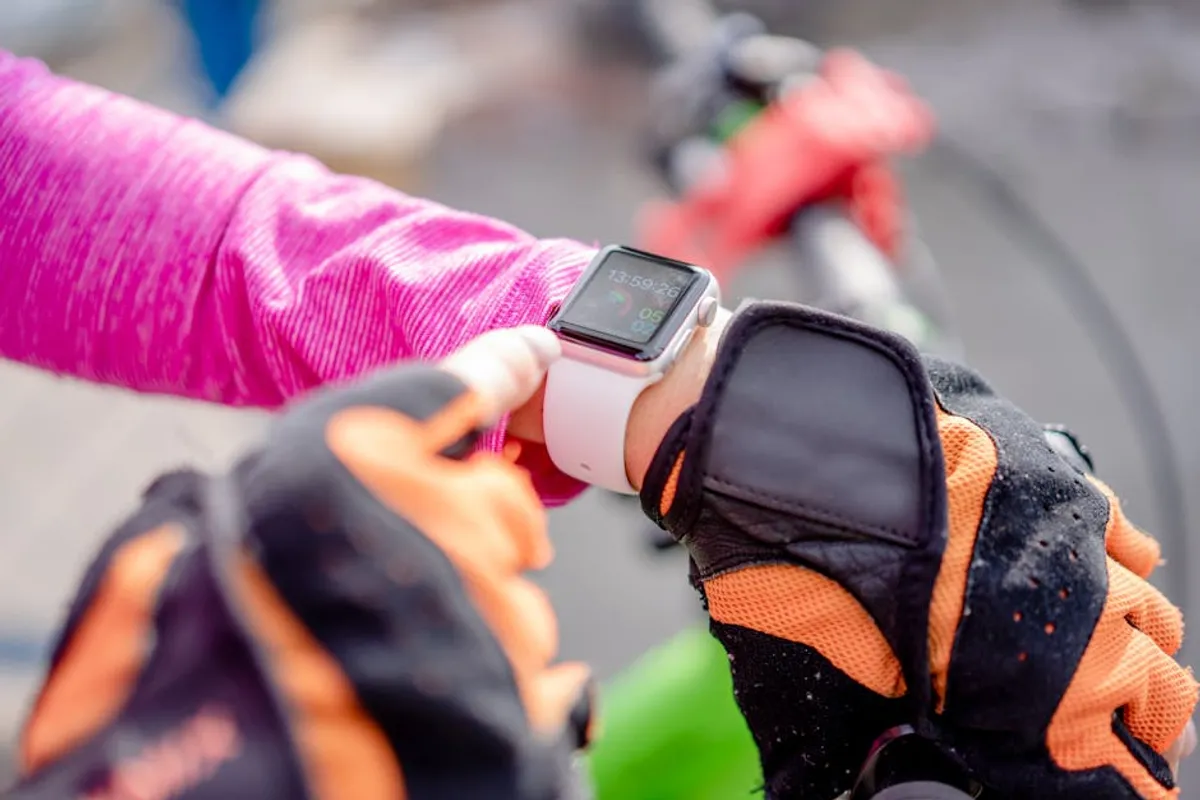
Bike riding and scooting are fundamental outdoor activities that develop balance, coordination, and endurance. They offer a sense of independence and freedom as children learn to navigate their surroundings. Starting with tricycles or balance bikes and progressing to two-wheelers or scooters, these activities build confidence and provide a practical mode of transport for short distances. They also encourage exploration of local neighborhoods and parks, fostering an appreciation for outdoor mobility.
Best for: Children aged 2 and up, progressing from balance bikes to two-wheelers and scooters. It's crucial for developing gross motor skills, balance, and independence.
Pros: Develops balance, coordination, and cardiovascular fitness, fosters independence and confidence, provides a sense of freedom, can be a practical mode of transportation.
Cons: Requires initial investment in equipment and safety gear, necessitates supervision, potential for falls and injuries, access to safe riding areas can be limited.
Verdict: A classic outdoor pursuit that is critical for motor skill development, offering children independence and a healthy way to explore their environment.
10. Hiking/Nature Walks
Hiking and nature walks offer a direct engagement with diverse ecosystems, promoting physical fitness, endurance, and an appreciation for natural landscapes. These activities encourage observation of flora and fauna, introduce concepts of trail etiquette, and provide opportunities for quiet reflection. They can be tailored to various difficulty levels and lengths, making them accessible for families with different fitness levels, and serve as a powerful tool for stress reduction and mental well-being.
Best for: Families and children of all ages, with trails chosen for appropriate difficulty. It is ideal for fostering physical endurance, environmental appreciation, and quiet observation.
Pros: Promotes physical fitness and endurance, fosters appreciation for nature, encourages observation skills, accessible in many natural areas, provides mental health benefits.
Cons: Requires appropriate footwear and gear, weather-dependent, can be challenging for very young children on longer trails, potential for encountering wildlife or uneven terrain.
Verdict: A foundational outdoor activity that offers both physical challenge and profound opportunities for connecting with nature, adaptable to varying family abilities.
11. Building a Fort (Natural Materials)
Constructing a fort using natural materials like fallen branches, leaves, and rocks engages children in engineering, creative problem-solving, and cooperative play. This activity encourages resourcefulness as they gather materials and figure out how to create a stable structure. It fosters imaginative play, allowing children to create their own secret hideaways or bases for adventure. Building forts also provides a hands-on lesson in structural integrity and environmental impact, using what nature provides.
Best for: Children aged 5-12 who enjoy creative construction, imaginative play, and working with natural materials. Ideal for fostering engineering skills and teamwork.
Pros: Encourages creativity and engineering skills, promotes problem-solving, fosters teamwork (if multiple children), uses free and natural materials, stimulates imaginative play.
Cons: Requires access to natural building materials, structures may not be stable or long-lasting, dependent on weather, requires some cleanup of scattered materials.
Verdict: A highly creative and collaborative activity that challenges children to engineer structures from natural elements, fostering ingenuity and imaginative outdoor play.
12. Outdoor Sports
Engaging in outdoor sports like soccer, frisbee, badminton, or basketball provides significant physical benefits, including cardiovascular health, agility, and hand-eye coordination. Beyond physical development, these activities teach valuable social skills such as teamwork, sportsmanship, and strategic thinking. Playing sports outdoors offers ample space for movement and reduces the constraints of indoor environments, allowing children to develop skills in a dynamic setting. They can be adapted for casual play or more structured team settings.
Best for: Children aged 5 and up who enjoy competitive or cooperative physical activity. It's excellent for developing motor skills, teamwork, and strategic thinking.
Pros: Excellent for physical fitness and motor skill development, teaches teamwork and sportsmanship, provides a competitive outlet, adaptable to various skill levels and group sizes, uses open space effectively.
Cons: May require specific equipment (balls, rackets, nets), can be competitive, potential for minor injuries, dependent on available space (parks, courts) and weather.
Verdict: A fundamental category of outdoor play that significantly contributes to physical health, social development, and strategic thinking through dynamic, active engagement.
Selecting the Right Outdoor Activity for Your Family
Choosing the optimal outdoor activity involves aligning with your family's specific goals and resources. Consider your child's current interests and temperament; an activity that resonates with their innate curiosity will yield greater engagement. Evaluate the time commitment each activity demands, balancing it with family schedules. Assess the practicality of required equipment and its associated costs against your budget. Focus on activities that offer flexibility, allowing for adaptation to changing weather or evolving interests. The most effective choices are those that provide consistent opportunities for physical activity, skill development, and shared enjoyment, fostering a sustained connection with the outdoors.
Frequently Asked Questions About Outdoor Activities for Kids
How much outdoor play should children have daily?
Health organizations generally recommend at least 60 minutes of moderate-to-vigorous physical activity daily for children and adolescents. A significant portion of this can and should come from outdoor play, promoting both physical health and mental well-being.
What if my child resists outdoor activities?
Start by making outdoor time an appealing invitation rather than a chore. Involve them in choosing the activity, offer exciting props like magnifying glasses or bug nets, or frame it as a "secret mission." Gradually increase exposure and focus on activities that align with their existing interests, even if initially indoor-focused.
How can I make outdoor activities educational?
Integrate learning naturally by asking open-ended questions about observations (e.g., "Why do you think this leaf is red?"), identifying plants and animals, discussing weather patterns, or counting objects. Encourage journaling or sketching to document their discoveries, turning play into an active learning experience.
What are the most important safety tips for outdoor play?
Always prioritize supervision, especially near water or on challenging terrain. Ensure children wear appropriate clothing and footwear for the weather and activity. Apply sunscreen and insect repellent as needed. Teach children about local hazards, such as poisonous plants or stranger danger, and establish clear boundaries for exploration.
How can outdoor activities help with screen time reduction?
Outdoor activities provide a compelling alternative to screens by offering novel stimuli, physical engagement, and social interaction that digital devices cannot replicate. Establishing consistent outdoor routines can naturally displace screen time, particularly if the outdoor options are presented as exciting and rewarding experiences.