The colder months present a distinct opportunity for content creators and product developers in the children's activity niche. Winter crafts for kids move beyond simple entertainment; they address a specific parental need for engaging indoor activities, particularly during school breaks or inclement weather. For publishers, this translates into high search volume for instructional content, while product developers can capitalize on demand for themed kits and supply bundles. Understanding the seasonal shifts in interest and the practical constraints of families—such as budget, available space, and skill levels—is crucial for developing commercially viable craft ideas and associated content.
Identifying Key Craft Categories for Winter
Targeting specific craft themes optimizes content relevance and product appeal. Rather than a broad "winter crafts" approach, segmenting by sub-themes allows for deeper engagement and more precise keyword targeting.
Snow & Ice-Themed Projects
These crafts directly evoke the season without being tied to specific holidays, offering a longer shelf life for content and products. Focus on materials that mimic winter textures and colors.
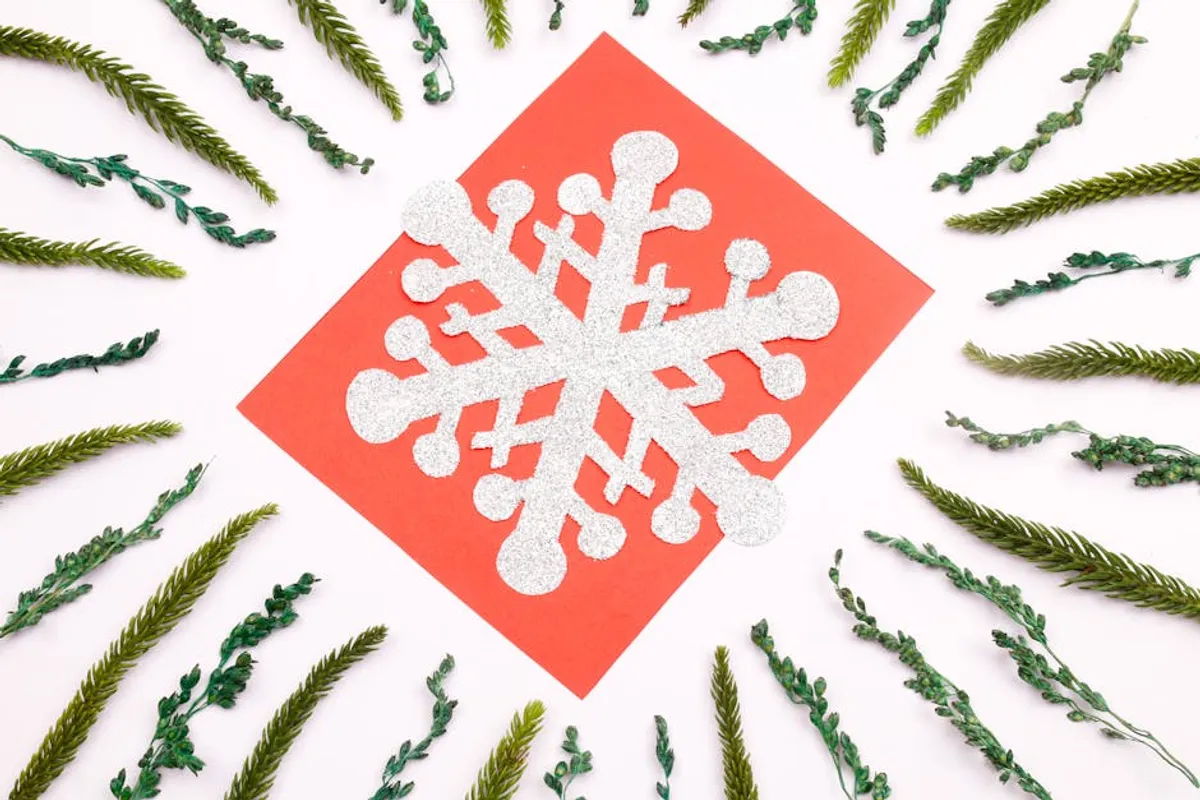
- Snowflakes: Paper cutting, coffee filter snowflakes, glitter-adorned designs. These are low-cost and scalable.
- Polar Animals: Cotton ball polar bears, paper plate penguins, q-tip painted snow scenes. Often appeal to younger children due to their recognizable forms.
- "Frozen" Effects: Borax crystal ornaments, Epsom salt window clings, ice suncatchers using natural elements. These offer a scientific discovery angle, appealing to educational content creators.
Holiday & Seasonal Inspirations
While often popular, holiday crafts have a shorter peak interest window. Content and products must be launched well in advance to capture pre-holiday planning.
Christmas: Ornaments (salt dough, pinecone, beaded), handmade cards, advent calendar components. High demand, but competitive.
New Year's: Noise makers, celebratory hats, "wishing wands." Less crowded niche, potential for unique angles.
General Winter Coziness: Finger knitting, felt warmers, hot cocoa themed crafts. Appeals to the broader feeling of winter comfort.
Upcycled & Low-Cost Options
Many parents prioritize affordability and sustainability. Crafts utilizing common household items reduce barriers to participation and enhance perceived value.
Best for: Budget-conscious families and educators.
Examples include toilet paper roll snowmen, pinecone bird feeders, magazine collage winter landscapes, or sock puppets. Highlighting the eco-friendly aspect can also attract a specific segment of the audience.
Material Considerations and Sourcing
The choice of materials impacts safety, cost, and the overall success of a craft project. For content creators, clear material lists are essential; for product developers, efficient sourcing is key.
Common Craft Supplies
These are the staples for most children's crafts and should be readily available or easily bundled.
Examples: Construction paper, non-toxic washable paints, child-safe scissors, glue sticks, glitter, pipe cleaners, googly eyes, cotton balls.
Commercial Angle: Curate themed craft kits with these components, or provide affiliate links to bulk suppliers in content.
Nature-Based Elements
Incorporating natural items adds texture, sensory appeal, and often reduces material costs. These require clear instructions for collection and preparation.
Examples: Pinecones, twigs, smooth stones, dried leaves, acorns.
Pro Tip: Advise users to clean and dry natural elements thoroughly before use to prevent mold or pests. For pinecones, baking them at a low temperature can open them up and sterilize them.
Safety and Age Appropriateness
This is paramount for both content credibility and product liability. Clearly define age ranges and necessary adult supervision.
Pro Tip: When developing craft tutorials or kits, always specify age recommendations and highlight potential hazards, such as small parts for choking risks with toddlers, or sharp tools for older children. Ensure all glues and paints are labeled "non-toxic" and "washable."
Content Strategy for Engaging Audiences
Effective content creation for winter crafts involves more than just listing ideas; it requires structured presentation and strategic promotion.
Tutorial Formats and Visuals
Step-by-step instructions are critical. Visuals are not optional; they are the primary medium for craft content.
Written Tutorials: Clear, concise steps with accompanying photos for each stage. Numbered lists improve readability.
Video Tutorials: Highly effective for demonstrating techniques. Short-form videos (e.g., for social media) and longer, detailed guides (e.g., for YouTube or blog embeds) serve different purposes.
Downloadable Templates: Offer printable patterns or stencils to facilitate complex shapes, adding value for users.
Seasonal Content Planning
Timing is everything for seasonal content. Plan content creation and publication several months in advance of peak search interest.
Evergreen Content: Crafts like "paper snowflakes" or "pinecone animals" have year-round, albeit lower, search interest. These can be updated annually.
Trending Content: Tie into popular children's movies or characters with winter themes. Requires quicker turnaround and market awareness.
Holiday-Specific: Publish Christmas craft guides by late September/early October to capture early planners.
Monetization Avenues
Content around winter crafts can be monetized through several channels:
- Affiliate Marketing: Link to specific craft supplies, kits, or tools used in tutorials from major retailers.
- Direct Product Sales: Create and sell your own craft kits, downloadable templates, or e-books of craft ideas.
- Advertising Revenue: Display ads on high-traffic blog posts or YouTube videos.
- Sponsored Content: Partner with craft supply brands for integrated product placements or dedicated reviews.
Maximizing Reach and Discoverability
Even the best craft ideas need effective distribution to find their audience.
Keyword Research for Craft Ideas
Utilize tools to identify long-tail keywords and user intent. Beyond "winter crafts," consider "easy winter crafts for toddlers," "DIY Christmas ornaments kids," "snow day activities for preschoolers," or "recycled crafts for winter." Analyze search volume and competition for each.
Social Media Promotion
Visual platforms are ideal for craft content.
Pinterest: Essential for visual discovery. Create multiple pins per craft idea, using different angles, titles, and descriptions. Link directly to specific tutorials or product pages.
Instagram: Short video reels demonstrating craft steps or finished products perform well. Use relevant hashtags like #kidscrafts #winteractivities #DIYforkids.
YouTube: Host detailed video tutorials. Optimize titles, descriptions, and tags for searchability. Encourage subscriptions and engagement.
Cultivating a Winter Craft Content Hub
Building a robust collection of winter craft content requires strategic planning and consistent execution. Focus on providing clear, actionable instructions, ensuring material safety, and understanding the seasonal ebb and flow of audience interest. By segmenting craft ideas, optimizing for search, and leveraging visual platforms, you can establish a valuable resource that serves both parents seeking activities and your commercial objectives.
FAQ
What are the most popular winter craft supplies for kids?
Common popular supplies include construction paper, cotton balls, pipe cleaners, googly eyes, non-toxic glue, washable paint, and glitter. Natural elements like pinecones and twigs are also frequently used.
How can I make winter crafts affordable?
Focus on crafts that utilize recycled household items such as toilet paper rolls, cardboard, old socks, or magazine cutouts. Nature-based crafts using collected items like leaves and pinecones also significantly reduce costs.
When is the best time to publish winter craft content?
For holiday-specific crafts (e.g., Christmas), aim to publish by early October to capture planners. For general winter crafts, late October through November is ideal to prepare for school breaks and colder weather. Evergreen content can be updated annually.
What age groups are best for winter crafts?
Winter crafts can be adapted for all ages, from toddlers to pre-teens. It's crucial to specify age recommendations, simplify steps for younger children, and ensure materials are age-appropriate and safe, especially avoiding small parts for toddlers.