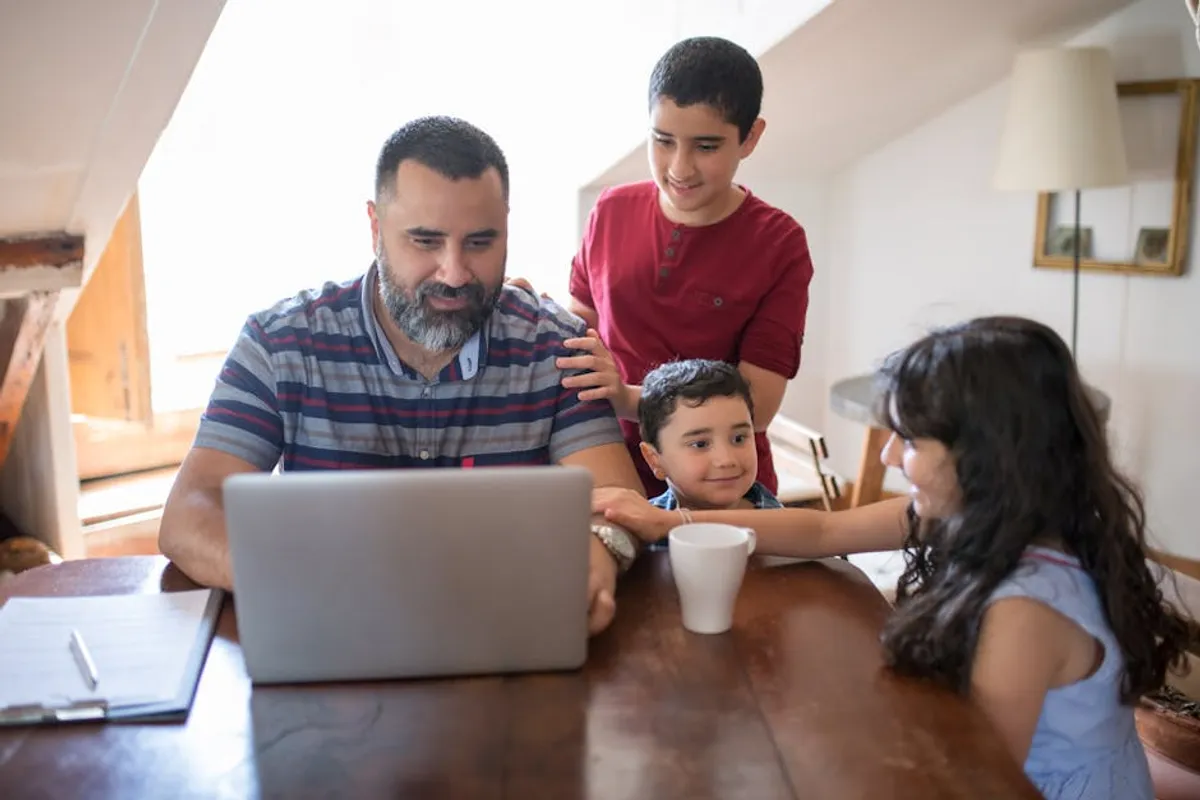
Finding engaging weekend activities for the family often feels like another item on an already long to-do list. The pressure to create memorable experiences can lead to over-planning, increased costs, and ultimately, more stress than fun. Instead of elaborate outings or expensive excursions, many families benefit from focusing on simple, accessible activities that foster connection without requiring extensive preparation or a significant budget. This approach prioritizes shared moments and genuine interaction over external entertainment, providing a sustainable model for enriching family time every weekend.
Maximizing Weekend Family Time with Simple Activities
The pursuit of "perfect" weekend plans can often detract from the actual experience. Shifting focus to simplicity offers tangible benefits that contribute to a more relaxed and fulfilling family dynamic.
Fostering Connection, Not Stress
Uncomplicated activities inherently reduce pressure. When the goal isn't a flawless execution or a high-cost event, families can relax and genuinely engage with each other. This environment encourages open communication, shared laughter, and collaborative play, strengthening bonds through authentic interaction rather than external stimulation. The lack of rigid structure allows for spontaneity and adaptation, which are crucial for maintaining a positive atmosphere with children.
Affordable Fun, Lasting Memories
Many of the most cherished family memories stem from simple, everyday moments. Opting for activities that utilize household items, local parks, or free community resources significantly cuts down on expenses. This financial accessibility ensures that fun is not contingent on disposable income, making enriching experiences available to all families consistently. The focus shifts from transactional entertainment to creative engagement, where the value is in the shared effort and imagination.
Streamlined Planning, More Play
Complex plans often involve booking, travel, and detailed logistics, consuming valuable weekend hours before the activity even begins. Simple activities, by contrast, require minimal foresight. A quick decision to build a fort, explore the backyard, or play a board game means less time spent organizing and more time spent doing. This efficiency allows families to maximize their leisure hours, reducing parental burnout and increasing the likelihood of spontaneous, joyful moments.
Indoor Adventures: Creativity & Calm
When weather limits outdoor play or a quiet afternoon is preferred, indoor activities provide opportunities for creative expression, cognitive development, and calm interaction. These ideas often leverage common household items or require minimal, inexpensive supplies.
- DIY Fort Building: Using blankets, pillows, chairs, and laundry baskets, children can construct imaginative hideaways. This activity promotes spatial reasoning, cooperative play, and transforms ordinary living spaces into unique adventure zones. It encourages problem-solving as they figure out structural support and design elements.
- Family Storytelling & Puppet Shows: Create stories together, with each person adding a sentence or paragraph. Simple puppets can be made from socks, paper bags, or even hands. This fosters narrative skills, encourages listening, and allows for emotional expression in a playful context.
- Board Games & Puzzles: Classic board games (e.g., Candyland, Chess, Ticket to Ride) and jigsaw puzzles offer structured engagement. They teach turn-taking, strategic thinking, patience, and can be adapted for various age groups, providing a shared challenge and a sense of accomplishment upon completion.
- Baking & Simple Cooking: Involving children in preparing a meal or baking cookies teaches practical life skills like measuring, following instructions, and understanding basic chemistry. It provides a sensory experience and a tangible, delicious outcome that the whole family can enjoy together.
- Creative Art Stations: Set up a dedicated area with paper, crayons, markers, paint, or playdough. Provide prompts like "draw your favorite animal" or "create a monster." This encourages self-expression, fine motor skill development, and offers a quiet, focused activity.
Outdoor Exploration: Fresh Air & Discovery
Leveraging the outdoors, even in a small backyard or local park, provides essential physical activity, sensory stimulation, and a connection to nature. These activities are often free or low-cost and require minimal equipment.
- Nature Scavenger Hunt: Create a list of items to find (e.g., a smooth stone, a specific leaf shape, something red, a feather). This encourages observation, promotes walking, and deepens appreciation for the natural environment. It can be done in a backyard, park, or local trail.
- Park Play & Picnics: A visit to a local playground offers opportunities for gross motor skill development through climbing, swinging, and sliding. Pairing it with a simple packed picnic extends the outing, making it feel like a special event without significant cost or effort.
- Backyard Sports & Games: Simple games like catch, frisbee, or setting up a mini-obstacle course use existing space and equipment. These activities promote physical fitness, hand-eye coordination, and friendly competition, burning energy in a constructive way.
- Chalk Art & Bubble Blowing: Sidewalk chalk transforms driveways and patios into temporary canvases for large-scale art. Blowing bubbles provides a mesmerizing, calming activity for all ages, requiring minimal supplies and offering immediate visual delight.
- Gardening & Plant Care: Even a small container garden or caring for existing plants teaches responsibility, patience, and an understanding of natural cycles. Children can help plant seeds, water, and observe growth, connecting them to the source of food and beauty.
Pro Tip for Weekend Activities: Manage expectations, both your own and your children's. The goal is connection, not perfection. Be flexible with plans, allow for spontaneous detours, and prioritize the shared experience over strict adherence to an agenda. Sometimes the most memorable moments arise from unexpected changes or simple, unplanned interactions.
Cultivating Consistent Family Connection
Implementing simple family activities into your weekend routine is less about finding the "best" activity and more about creating a consistent rhythm of connection. Start by involving family members in the selection process, offering a few pre-vetted, low-effort options. This fosters a sense of ownership and excitement. Remember that the value lies in the shared presence and engagement, not the complexity of the activity itself. By embracing simplicity, families can reclaim their weekends, transforming potential stress into genuine opportunities for bonding, creativity, and lasting joy.
Frequently Asked Questions
How can we adapt simple activities for different age groups?
Many activities, like fort building or nature walks, are inherently flexible. For younger children, focus on sensory exploration and basic concepts. For older children, introduce challenges like complex fort designs, advanced scavenger hunt items, or strategic board games. Collaborative projects allow everyone to contribute at their own level.
What if my children get bored quickly with an activity?
Boredom can be an opportunity for creativity. Instead of immediately switching activities, encourage children to find a new way to engage with the current one, or to suggest a modification. Having a small "idea jar" with pre-written simple activities can also provide a quick pivot when interest wanes.
How do we balance structured activities with free play on weekends?
A good approach is to designate specific blocks of time. For example, a morning "activity time" followed by an afternoon of "free exploration." Simple activities often blur the line between structured and free play, as they provide a starting point but allow for open-ended development and imaginative offshoots.
Are there any simple activities that promote learning without feeling like school?
Absolutely. Cooking involves math and science. Nature scavenger hunts develop observation skills and introduce biology. Storytelling enhances language and creativity. Board games teach strategy and critical thinking. The key is to frame these as fun, collaborative experiences rather than formal lessons.