Sensory play ideas represent a foundational approach to early childhood development, offering rich avenues for learning and exploration. For content strategists, educators, and marketers developing resources in this domain, a deep understanding of these activities is crucial. It enables the creation of high-value content that resonates with audiences seeking impactful developmental tools, moving beyond superficial lists to provide genuine utility and insight. This exploration details the core mechanisms, benefits, and practical implementation of sensory play, offering a framework for developing authoritative content and engaging educational materials.
Understanding the Core Value of Sensory Play
Sensory play encompasses any activity that stimulates a child's five senses: touch, sight, hearing, smell, and taste. Additionally, it often involves proprioception (awareness of body position) and vestibular sense (balance and spatial orientation). The value of these activities lies in their ability to build neural pathways in the brain, which are essential for processing complex information and developing cognitive skills. For content creators, articulating these underlying developmental benefits provides a stronger foundation than merely listing activities.
Developmental Milestones Supported
Engaging multiple senses simultaneously helps children develop crucial skills. Tactile exploration, for instance, refines fine motor skills and introduces concepts of texture, temperature, and weight. Visual and auditory stimulation aids in pattern recognition, cause-and-effect understanding, and language acquisition. These activities are not just entertainment; they are direct contributions to a child's ability to learn, adapt, and interact with their environment. Content that highlights these specific milestones offers clear value propositions to parents and educators.
Engagement and Learning Opportunities
Sensory play fosters natural curiosity and encourages open-ended exploration. Unlike structured learning, it allows children to discover at their own pace, leading to deeper understanding and retention. For content developers, this translates into opportunities to create guides that emphasize process over product, encouraging experimentation and problem-solving. This approach cultivates sustained engagement, a key metric for educational content success.
Categories of Sensory Play for Diverse Engagement
To effectively generate sensory play ideas, categorizing them by the primary sense they stimulate provides a useful organizational structure. This helps in ensuring a balanced developmental approach and in targeting specific learning objectives.
Tactile Exploration: Hands-On Textures
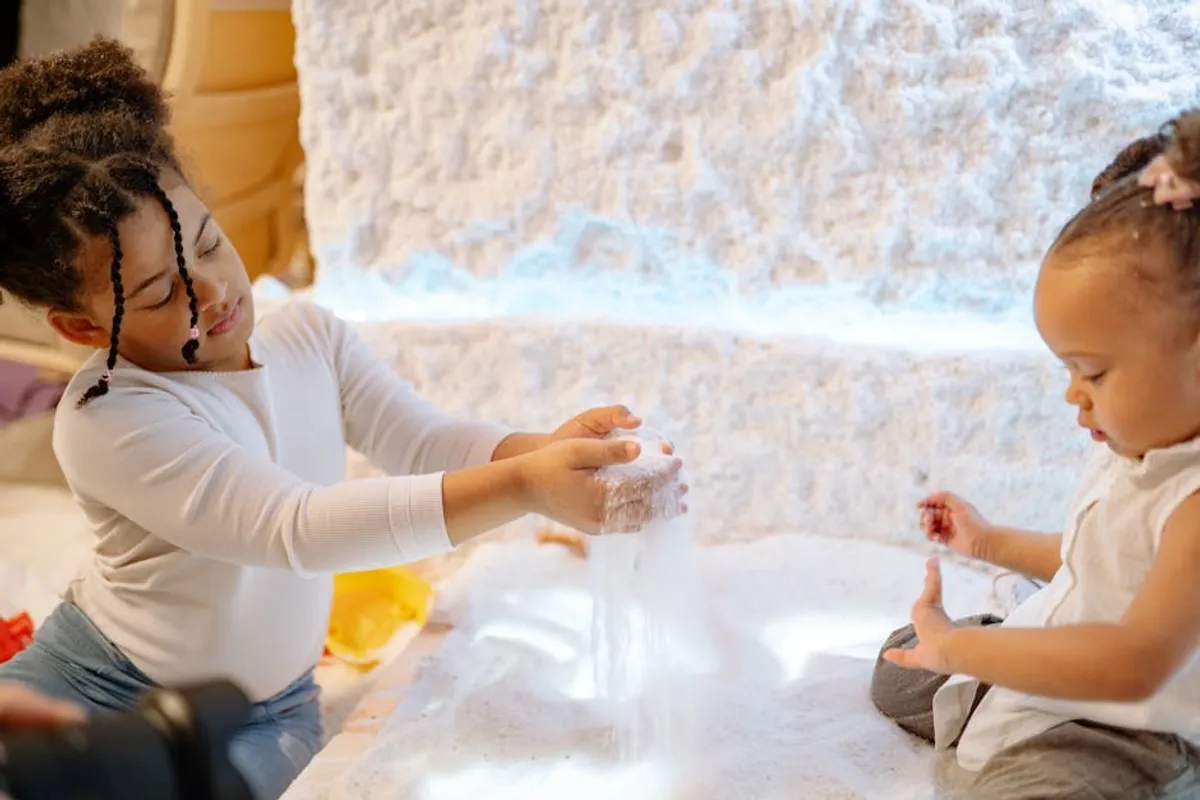
Activities focusing on touch are perhaps the most common form of sensory play. These involve materials with varied textures, temperatures, and consistencies. Examples include sand, water, playdough, rice, pasta, slime, and natural elements like leaves or pebbles. The commercial utility for content here lies in providing detailed instructions for creating safe, engaging tactile bins, complete with material lists and safety considerations.
Auditory Engagement: Sound-Rich Environments
Sound-based sensory play can range from simple musical instruments to exploring natural sounds or creating soundscapes with everyday objects. Shakers filled with different materials, homemade drums, or even listening walks can stimulate auditory processing. Content around this category can focus on DIY instrument creation, sound recognition games, or integrating music into play routines.
Visual Stimulation: Color, Light, and Movement
Visual sensory play involves engaging the eyes with vibrant colors, varying light sources, and dynamic movements. This can include light tables, color sorting activities, bubble play, or observing objects that move or change shape. For content, this means developing guides on creating visually stimulating environments, leveraging natural light, or using simple tools like flashlights and colored cellophane for exploration.
Olfactory and Gustatory Experiences: Scent and Taste
While less common and requiring strict supervision, incorporating smell and taste can add another dimension to sensory play. This might involve smelling different spices, flowers, or essential oils (diluted and safe for children). Taste-safe sensory bins using edible ingredients like cooked pasta, yogurt, or pureed fruits offer exploration, particularly for younger children who are prone to putting objects in their mouths.
Pro Tip: When introducing new sensory materials, always prioritize safety. Ensure all items are non-toxic, age-appropriate, and free from small parts that could pose a choking hazard for younger children. Supervise all sensory play sessions closely to prevent ingestion or misuse of materials, especially with olfactory and gustatory activities.
Implementing Sensory Play: Practical Idea Generation
Effective sensory play ideas are not just conceptual; they are actionable and often leverage readily available materials. For content developers, presenting practical, low-barrier entry points increases the likelihood of adoption by the target audience.
Low-Cost, High-Impact Setups
Many impactful sensory play experiences can be created with minimal investment, using household items or natural materials. This accessibility is a key selling point for content aimed at a broad audience.
- Water Table Exploration: A simple basin of water with cups, sponges, and small toys offers endless pouring, squeezing, and splashing opportunities.
- Rice or Pasta Bin: Dry rice or cooked pasta (cooled) in a container with scoops, small cars, or animal figures provides tactile engagement and imaginative play.
- Playdough Station: Homemade playdough (recipe content is highly searchable) with cookie cutters, rolling pins, and natural elements like leaves or twigs.
- Nature Basket: A collection of leaves, pinecones, sticks, and smooth stones encourages tactile and visual exploration, connecting children with their environment.
These ideas are not only cost-effective but also easily adaptable to various themes and learning objectives.
Thematic Sensory Bins and Stations
Organizing sensory materials around a specific theme enhances imaginative play and vocabulary development. Themes like "ocean exploration" (blue rice, shells, plastic sea creatures), "garden" (dirt, plastic flowers, small gardening tools), or "construction site" (sand, small trucks, blocks) provide narrative structures. Content that offers comprehensive thematic guides, including material lists, setup instructions, and suggested play scenarios, delivers significant value.
Integrating Sensory Play into Daily Routines
Sensory experiences don't always require dedicated "playtime." Simple integrations into daily routines can be highly effective. This includes tasks like stirring ingredients while baking (taste, smell, touch), gardening (touch, smell), or even a textured bath mat (touch). Content focused on these seamless integrations can appeal to busy parents and educators looking for practical, time-efficient solutions.
Measuring Engagement and Adapting Ideas
For those creating and distributing content around sensory play, understanding what makes an activity engaging is crucial. Engagement can be measured by observation: how long a child interacts with the materials, the variety of ways they use them, and the level of focus and enjoyment demonstrated. Feedback from parents and educators on content performance can inform future material development, ensuring ideas remain fresh, relevant, and effective. Adapting ideas based on observed interest—adding new elements, changing themes, or simplifying setups—maintains novelty and sustained developmental benefit.
Actionable Steps for Continued Exploration
To deepen understanding and expand content offerings related to sensory play, consider these strategic actions:
- Observe and Document: Pay close attention to how children interact with different sensory materials. Documenting their responses and adaptations provides rich insights for refining activity suggestions and creating more resonant content.
- Source Diverse Materials: Explore a wider range of textures, sounds, and visual elements. This includes natural objects, recycled items, and safe, non-toxic craft supplies. A diverse material palette supports varied developmental stimuli.
- Collaborate and Share: Engage with early childhood educators, occupational therapists, and parent communities. Their practical experience and insights can inform new ideas and validate existing ones, strengthening the authority and utility of your content.
- Prioritize Safety Education: Always integrate clear, actionable safety guidelines within any sensory play content. This builds trust and ensures responsible implementation of ideas.
Frequently Asked Questions
What is the primary benefit of sensory play for young children?
The primary benefit is the development of neural pathways in the brain, enhancing cognitive skills, fine and gross motor skills, problem-solving abilities, and language acquisition by stimulating multiple senses simultaneously.
Are there specific age groups that benefit most from sensory play?
While all ages can benefit, sensory play is particularly crucial for infants, toddlers, and preschoolers, as their brains are rapidly developing and forming connections based on environmental interactions.
What are some common household items that can be used for sensory play?
Many common items are suitable, including water, rice, dried pasta, flour, playdough, sponges, fabric scraps, natural elements like leaves and pebbles, and safe kitchen utensils like spoons and bowls.
How can I ensure sensory play is safe for my child?
Always supervise sensory play, use non-toxic and age-appropriate materials, avoid small objects that could be choking hazards for young children, and regularly inspect materials for wear or damage.