
The salwar suit, a cornerstone of South Asian fashion, offers a remarkable breadth of style, adapting seamlessly across a spectrum of occasions. Its inherent versatility stems from the interplay of fabric, cut, embellishment, and accompanying accessories, allowing for transformations from daily wear to formal events. Understanding these foundational elements is key to selecting and styling a salwar suit that is not only appropriate for the event but also reflects personal aesthetic and comfort.
Understanding Salwar Suit Versatility
The core of a salwar suit’s adaptability lies in its construction. The choice of fabric dictates drape, comfort, and formality, while the silhouette influences the overall look and movement. Recognizing these relationships allows for informed selections.
Fabric Choices for Different Climates and Events
Material selection is paramount for both comfort and aesthetic suitability. Lightweight, breathable fabrics excel in warmer climates and casual settings, while richer, heavier textiles are reserved for cooler weather or more formal gatherings.
- Cotton and Linen: Best for daily wear, casual outings, and office environments. These natural fibers are breathable, comfortable, and easy to maintain. They offer a relaxed drape and are often chosen for block prints, subtle embroidery, or solid colors.
- Rayon and Viscose: Provide a soft drape and a slight sheen, making them suitable for semi-casual to festive daytime events. They mimic the feel of silk but are often more affordable and easier to care for.
- Georgette and Chiffon: Known for their sheer, flowing quality, these fabrics are ideal for festive, party, and evening wear. They drape elegantly and are frequently used for layered designs, intricate embroidery, or embellished suits that require a delicate fall.
- Silk and Brocade: Reserved for formal occasions, weddings, and grand celebrations. These fabrics exude luxury and richness. Silk offers a natural luster and smooth texture, while brocade features woven patterns, adding texture and opulence.
- Velvet: A luxurious choice for winter formal events, parties, and evening wear. Velvet provides warmth, a rich texture, and a distinctive sheen that elevates any design.
Silhouette and Cut: Matching Body Types and Occasions
The cut of the kurta (tunic) and salwar (trousers) significantly impacts the suit's formality and how it flatters the wearer.
- Straight Cut: A classic and universally flattering option, suitable for daily wear, office, and semi-formal events. The kurta falls straight from the shoulders, offering a clean, elongated line. Paired with straight salwars, cigarette pants, or even palazzo pants.
- Anarkali: Characterized by a fitted bodice and a flared, frock-style bottom, often extending to floor length. Anarkalis are inherently festive and formal, ideal for weddings, receptions, and grand celebrations. The degree of flare and embellishment determines its formality.
- Patiala: Features a short kurta paired with a loose, pleated salwar that gathers at the ankle. This style is comfortable and traditional, popular for casual wear, festive gatherings, and cultural events where movement is key.
- Palazzo and Sharara Suits: Palazzo suits feature a wide-legged trouser paired with a short or long kurta, offering a contemporary, comfortable, and stylish look for both casual and semi-formal occasions. Sharara suits, with their flared trousers from the knee, are more festive and often chosen for weddings and celebrations, providing a dramatic, elegant silhouette.
Styling for Specific Occasions
Each event demands a specific approach to styling, considering color, embellishment, and accessories.
Everyday & Casual Wear
For daily activities or relaxed gatherings, prioritize comfort and practicality. Opt for cotton or linen suits in muted tones, pastels, or simple prints. Minimal embroidery or block prints are appropriate. Pair with comfortable flats or sandals and minimal jewelry like stud earrings or a simple bracelet. The focus is on ease of movement and understated elegance.
Festive Celebrations
Festivals like Diwali, Eid, or cultural gatherings call for vibrant colors and intricate details. Silk, georgette, or rayon suits with moderate to heavy embroidery (resham, mirror work, zari) are suitable. Anarkalis, shararas, or heavily embellished straight-cut suits are popular choices.
Consider these elements:
- Color Palette: Jewel tones (emerald, ruby, sapphire), bright primary colors, or rich metallics.
- Embellishments: Zari, Gota Patti, thread work, mirror work, or subtle sequin detailing.
- Accessories: Statement earrings, bangles, an embellished clutch, and heels or embellished juttis.
Formal & Evening Events
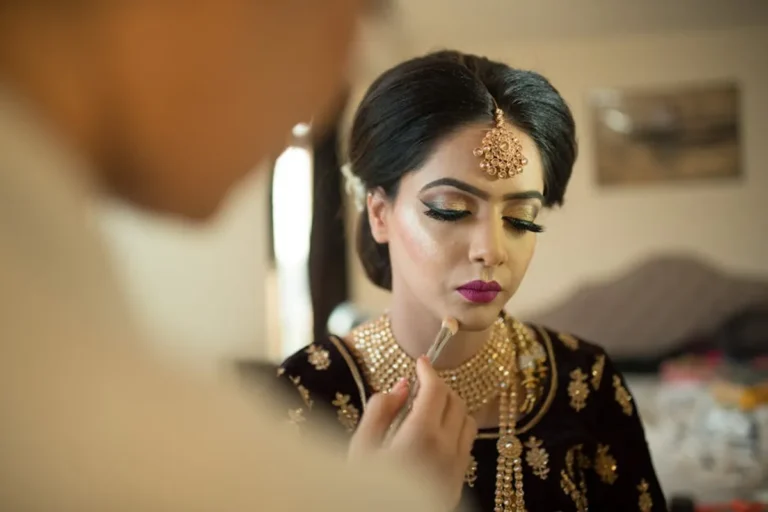
Weddings, receptions, and formal dinners require sophisticated designs. Opt for luxurious fabrics like silk, velvet, or heavily embellished georgette. Deep, rich colors or classic black and gold combinations are often preferred. Intricate Zardozi work, delicate pearl embroidery, or elaborate sequin patterns elevate the ensemble.
Best for: Anarkalis with extensive flare, floor-length gowns, or tailored straight suits with heavy embellishment. Pair with elegant heels, a sophisticated clutch, and fine jewelry (diamonds, Kundan, polki).
Work & Professional Settings
Maintain a polished and conservative look. Choose cotton, linen, or high-quality rayon suits in solid colors, subtle prints, or pinstripes. A straight-cut kurta with well-fitted trousers or churidars is appropriate. Keep embellishments to a minimum, perhaps a small embroidered motif or simple button detailing. Pair with closed-toe shoes or smart flats and delicate jewelry.
PRO TIP: When selecting a salwar suit for an important occasion, always consider the event's venue and time. Outdoor daytime events might favor lighter fabrics and brighter colors, while indoor evening galas often demand richer materials and deeper hues with more elaborate embellishments. Misaligning these elements can detract from the overall impact of your chosen attire.
Current Trends and Enduring Inspirations
While classic styles remain relevant, contemporary trends offer fresh interpretations of the salwar suit.
Embracing Contemporary Silhouettes
Modern designs include asymmetrical hemlines, jacket-style kurtas, and cape sleeves, which add a contemporary edge. Fusion wear, blending traditional embroidery with Western cuts, is also popular. These styles often appeal to those seeking a balance between tradition and modern aesthetics.
Color Palettes and Embellishment Trends
Beyond traditional brights, pastels, monochrome schemes, and earthy tones are gaining popularity. Ombre dyeing and subtle tone-on-tone embroidery offer sophisticated alternatives. Minimalist designs with a single statement embellishment or unique fabric textures are also trending, emphasizing craftsmanship over overt ornamentation.
Accessorizing Your Salwar Suit
Accessories complete the look. The choice of jewelry, footwear, and bags should complement the suit's style and the occasion's formality. For heavily embellished suits, opt for simpler jewelry to avoid overcrowding the look. For simpler suits, statement pieces can elevate the ensemble. Always ensure accessories are proportionate to your frame and the suit’s design.
Choosing the Right Fit and Tailoring
A well-fitted salwar suit enhances its appeal significantly. Ready-to-wear options often require minor alterations for a custom fit. Pay attention to shoulder seams, sleeve length, kurta length, and the fit of the salwar. A professional tailor can ensure the garment drapes correctly, providing both comfort and a polished appearance. An ill-fitting suit, regardless of its design or fabric, can diminish its elegance.
Elevating Your Salwar Suit Style
Mastering salwar suit selection and styling involves understanding the interplay of design elements and occasion requirements. By focusing on fabric, cut, color, and appropriate accessorizing, individuals can confidently curate a wardrobe that meets diverse needs. The key is to balance traditional aesthetics with personal comfort and contemporary trends, ensuring each chosen outfit makes a distinct and appropriate statement.
Frequently Asked Questions
What is the most versatile salwar suit style for various occasions?
A straight-cut salwar suit with a medium-length kurta and well-fitted trousers or churidars is highly versatile. Its clean lines can be dressed up with rich fabrics and embellishments for formal events or kept simple with cotton for daily wear.
How do I choose the right fabric for a salwar suit in hot weather?
For hot weather, prioritize natural, breathable fabrics like cotton, linen, or lightweight rayon. These materials allow air circulation, absorb moisture, and prevent discomfort, making them ideal for summer and humid climates.
Can I wear an Anarkali suit for a casual event?
Generally, Anarkali suits are more formal due to their flared silhouette. However, a simple cotton or rayon Anarkali with minimal embellishment and a shorter length can be suitable for semi-casual daytime events or festive gatherings that are not overtly formal.
What type of jewelry pairs best with heavily embroidered salwar suits?
With heavily embroidered suits, opt for minimalist or delicate jewelry to avoid an overcrowded look. Simple stud earrings, a thin bracelet, or a single statement ring can complement the outfit without competing with the suit's intricate detailing.