Selecting a Kebaya that truly embodies both beauty (cantik) and elegance (elegan) requires more than just appreciating its aesthetic. It involves a discerning eye for design nuances, an understanding of fabric utility, and an awareness of how different styles align with occasion and personal expression. This guide offers a framework for navigating the rich world of Kebaya, moving beyond surface-level appeal to identify models that deliver sustained impact and refined sophistication, whether for a formal event, a cultural celebration, or a significant personal milestone.
Defining Cantik and Elegan in Kebaya Design
The terms "cantik" and "elegan" in the context of Kebaya are distinct yet complementary. "Cantik" often refers to the immediate visual appeal—a vibrant color, intricate embroidery, or a flattering cut that draws the eye. It speaks to charm and attractiveness. "Elegan," conversely, implies a deeper, more enduring grace. It’s about refined lines, quality of material, subtle detailing, and how the garment drapes and moves with the wearer. An elegant Kebaya might not be overtly flashy, but it exudes sophistication through its craftsmanship and understated poise. The most desirable Kebaya models achieve a balance, where initial beauty is underpinned by inherent elegance.
Exploring Iconic Kebaya Silhouettes
Understanding the foundational Kebaya silhouettes is crucial for making informed choices. Each style carries historical weight and offers distinct aesthetic qualities:
- Kebaya Kutubaru: Characterized by a distinctive front flap that connects the two sides of the blouse, often cinched with a brooch. This traditional Javanese style offers a classic, structured look, emphasizing the waist.
Best for: Formal ceremonies, traditional weddings, those seeking a timeless, culturally rich aesthetic. - Kebaya Encim: Originating from the Peranakan culture, this style typically features a V-neck or round neck and intricate, often brightly colored, embroidery (sulaman) around the edges and sleeves. It's known for its delicate, feminine appeal.
Best for: Cultural events, semi-formal gatherings, individuals who appreciate detailed craftsmanship and a touch of historical fusion. - Kebaya Modern: This broad category encompasses contemporary adaptations that experiment with cuts, sleeve designs (bell sleeves, trumpet sleeves), necklines, and lengths. Modern Kebaya often integrates elements like peplum hems, asymmetrical lines, or minimalist aesthetics.
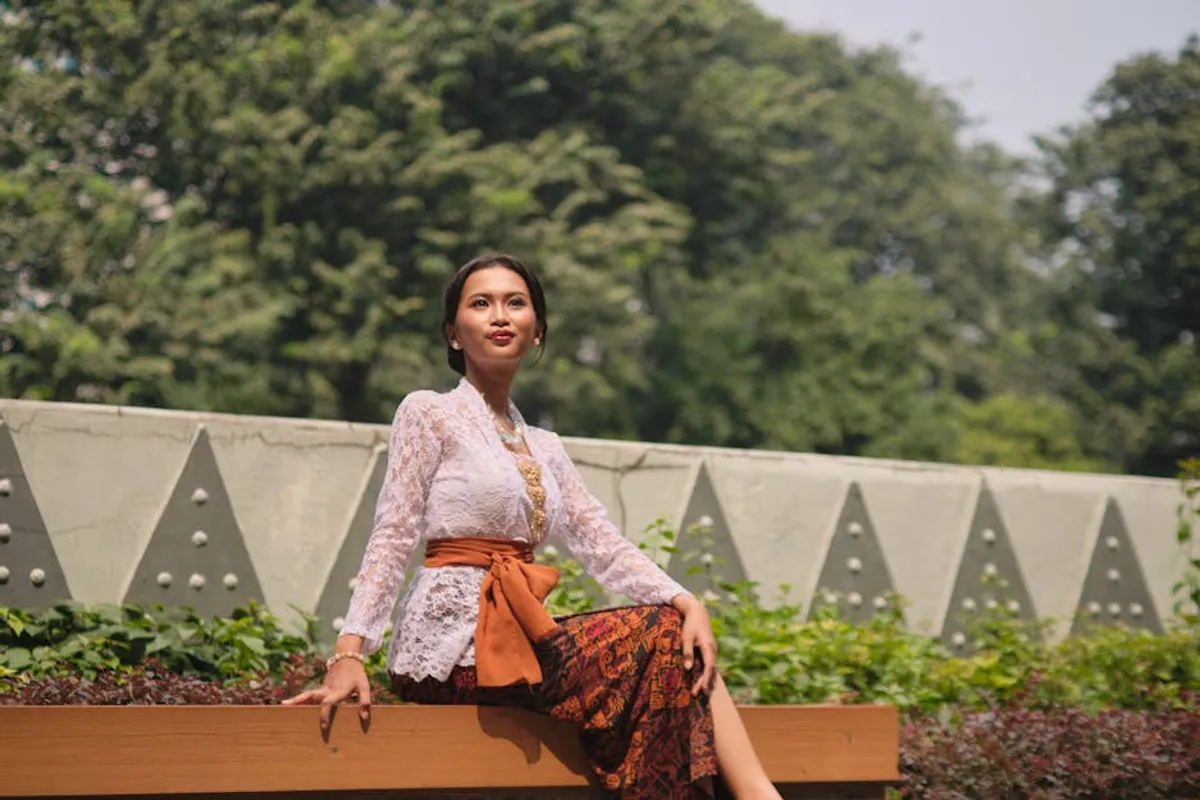
Best for: Contemporary weddings, professional events, fashion-forward individuals seeking a blend of tradition and current trends. - Kebaya Bali: Distinguished by its fitted silhouette, often made from lace or brocade, and typically paired with a sash (selendang) tied around the waist. The Balinese Kebaya often features vibrant colors and a clean, tailored appearance.
Best for: Balinese ceremonies, resort formal wear, those desiring a sleek, form-fitting look with a distinctive cultural accent.
The Art of Fabric Selection for Kebaya
The choice of fabric profoundly influences a Kebaya's elegance and overall impact. Different materials offer unique textures, drapes, and levels of formality:
Brocade (Brokat): Known for its rich, embossed patterns woven into the fabric. Brocade Kebaya inherently conveys luxury and opulence due to its intricate designs and often shimmering finish. It holds its shape well, contributing to a structured, grand silhouette.
Consideration: Can be heavier; best for formal evening events where breathability is less of a concern.
Lace: Offers delicate transparency and intricate floral or geometric patterns. Lace Kebaya exudes femininity and romance. The quality of lace—from French Chantilly to guipure—varies widely and directly impacts the garment's elegance.
Consideration: Requires careful lining; often chosen for wedding Kebaya or sophisticated daytime events.
Satin and Silk: These fabrics provide a smooth, lustrous surface that drapes beautifully, creating fluid, elegant lines. Silk offers superior breathability and a natural sheen, while satin provides a similar look with a more structured feel.
Consideration: Prone to wrinkles; ideal for sleek, modern Kebaya designs that prioritize drape and subtle sheen.
Organdy and Chiffon: Lightweight and sheer, these fabrics are often used for overlays, sleeves, or as a base for intricate embroidery. They add an ethereal quality and volume without bulk.
Consideration: Typically used as accents or for layering; less common as the primary fabric for a structured Kebaya body.
Strategic Color Palettes for Impact
Color choices for Kebaya extend beyond personal preference; they communicate formality, mood, and cultural significance. Traditional Kebaya often features rich, deep hues like maroon, royal blue, emerald green, and gold, symbolizing regality and celebration. For contemporary elegance, muted pastels such as dusty rose, sage green, and soft lavender offer a sophisticated, understated charm. Black and white Kebaya remain timeless, providing stark contrast and undeniable formality. When selecting a color, consider the event's theme, your skin tone, and the desired emotional impact. A vibrant red Kebaya commands attention, while a soft beige whispers refinement.
Tailoring Kebaya to Your Occasion
The "right" Kebaya is always contextual. For weddings, brides frequently opt for white or off-white lace or brocade Kebaya, often with intricate beading, paired with a long train. Guests might choose jewel-toned brocade or elegant lace in a modern cut. Formal galas call for luxurious fabrics like silk or high-quality lace in sophisticated colors, possibly with subtle embellishments. Simpler, well-tailored Kebaya made from cotton or a less ornate brocade can be suitable for cultural events or semi-formal gatherings, focusing on clean lines and comfortable wear.
Pro Tip: A Kebaya's elegance is profoundly amplified by its fit. Even the most exquisite fabric and design can fall short without precise tailoring that complements your body shape. Invest in custom fitting or professional alterations to ensure the garment drapes perfectly, enhancing both comfort and aesthetic appeal. A well-fitted Kebaya moves with you, preventing awkward bunching or pulling, which is paramount for achieving a truly elegant look.
Accessorizing for a Polished Kebaya Ensemble
Accessories complete the Kebaya ensemble, moving it from merely worn to meticulously styled. Traditional jewelry, such as intricate brooches (kerongsang), ornate necklaces, and earrings, can elevate a classic Kebaya. For modern styles, minimalist gold or silver pieces, or even statement earrings, might be more appropriate. Footwear should complement the Kebaya's formality—heels for formal events, elegant flats or sandals for more casual settings. A clutch or small handbag in a coordinating color and texture adds practicality and polish. Hair and makeup should align with the overall look: a traditional sanggul (hair bun) for classic Kebaya, or a sleek updo or soft waves for a modern interpretation.
Navigating Contemporary Kebaya Trends
The Kebaya continuously evolves, integrating global fashion trends while retaining its core identity. Current trends emphasize:
- Minimalist Kebaya: Clean lines, solid colors, and minimal embellishment for a sophisticated, understated look.
- Statement Sleeves: Puffed, bell, or trumpet sleeves add a dramatic, fashion-forward element.
- Peplum Details: A flared ruffle at the waist creates a flattering silhouette and adds a modern touch to traditional cuts.
- Mix-and-Match Separates: Pairing a Kebaya top with a contemporary skirt or trousers for versatility and a personalized style.
- Sustainable Fabrics: A growing interest in eco-friendly materials and ethical production practices, aligning traditional wear with modern values.
Cultivating Your Distinctive Kebaya Presence
The journey to finding your ideal beautiful and elegant Kebaya is an exploration of personal style, cultural appreciation, and sartorial precision. By understanding the distinctions between various models, fabrics, and design elements, you can make choices that not only flatter your figure but also resonate with the occasion and your aesthetic sensibilities. Focus on quality tailoring, thoughtful accessorizing, and an awareness of both tradition and evolving trends to craft a Kebaya presence that is both authentic and undeniably refined.
Frequently Asked Questions
What is the primary difference between Kebaya Kutubaru and Kebaya Encim?
Kebaya Kutubaru features a distinctive front flap connecting the two sides, often worn with a brooch, emphasizing a classic Javanese silhouette. Kebaya Encim, influenced by Peranakan culture, typically has a V-neck or round neck and is characterized by intricate, often colorful, embroidery around the edges and sleeves.
How do I choose the right fabric for a formal Kebaya?
For formal events, brocade and high-quality lace are excellent choices for their luxurious appearance and intricate textures. Silk and satin offer a smooth, elegant drape, providing a sophisticated option for modern formal Kebaya. Consider the event's lighting and atmosphere when making your selection.
Can modern Kebaya be worn for semi-casual occasions?
Yes, simpler modern Kebaya designs, particularly those made from cotton or less ornate fabrics, can be styled for semi-casual events. Pairing them with contemporary skirts, tailored trousers, or even well-fitted jeans can create a chic, elevated look suitable for gatherings that require a touch of traditional elegance without full formality.
What are essential accessories for a Kebaya?
Essential accessories include a matching or complementary brooch (kerongsang), appropriate jewelry (earrings, necklace), and a clutch or small handbag. Footwear should be elegant and suitable for the occasion, typically heels or refined flats. Hair and makeup should also be considered to complete the overall polished look.