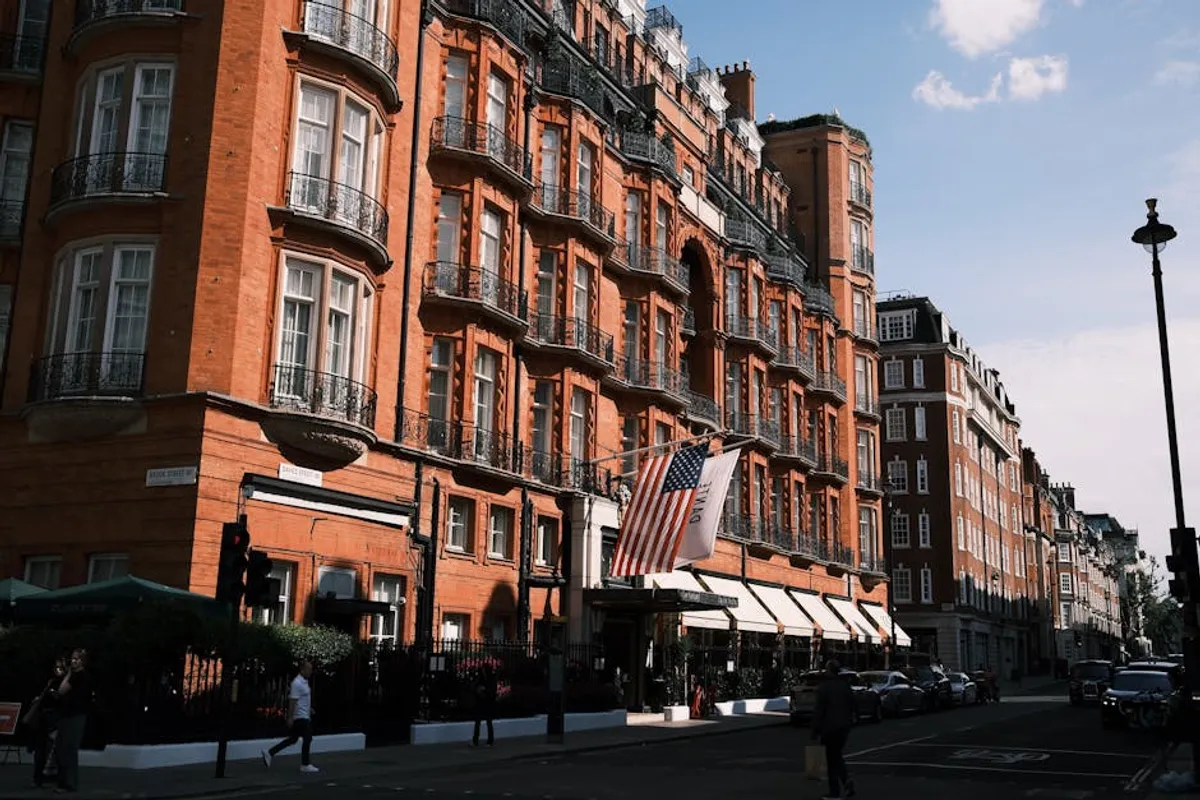
The online presence associated with "Mayfair London Review" presents a distinct profile for search traffic analysis, focusing on a high-value geographic and experiential niche. Understanding its content strategy and potential audience intent offers insights into how a specialized review-centric domain can capture organic visibility. This analysis considers "Mayfair London Review" as a hypothetical online entity or website dedicated to evaluating and informing users about various aspects of the Mayfair district in London, including its offerings, characteristics, and comparative positioning.
What "Mayfair London Review" Appears to Cover
"Mayfair London Review" likely centers its content around detailed appraisals and informational guides pertaining to the Mayfair area. This includes deep dives into commercial establishments, cultural venues, and residential aspects. Content categories would encompass:
- Luxury Hospitality Reviews: Evaluations of hotels, private clubs, and high-end dining establishments within Mayfair, often detailing service quality, ambiance, and unique selling points.
- Retail and Lifestyle Commentary: Articles discussing luxury boutiques, art galleries, and bespoke services available in the district, providing context on their exclusivity and target demographic.
- Property Market Insights: Content analyzing residential and commercial real estate trends, property values, and architectural characteristics unique to Mayfair.
- Visitor Guides and Itineraries: Practical information for tourists and potential residents, covering transportation, local events, and recommended experiences.
- Safety and Security Overviews: Discussions on neighborhood security, common concerns for visitors or residents, and general advice for navigating the area, framed as informative content rather than direct recommendations.
- Comparative Analyses and Alternatives: Articles comparing Mayfair to other upscale London districts or international luxury destinations, outlining distinguishing factors and suggesting alternatives based on specific user needs or preferences.
The editorial voice would likely be authoritative, sophisticated, and detail-oriented, reflecting the subject matter's premium nature. Content cadence could vary from daily updates on events to less frequent, in-depth investigative pieces on property trends or cultural shifts. Article depth would be a critical differentiator, with content extending beyond surface-level descriptions to include historical context, expert opinions, and granular breakdowns of features.
Where Its Search Traffic May Come From
Organic search traffic for "Mayfair London Review" would primarily originate from users seeking specific information, evaluations, or comparisons related to the Mayfair area. Key search queries would likely include:
- Long-tail informational queries: "best luxury hotels Mayfair London review," "Mayfair restaurant guide Michelin star," "cost of living Mayfair London," "Mayfair property investment analysis."
- Navigational searches: Users looking for specific establishments or services mentioned in reviews, e.g., "Claridge's Mayfair review," "Sotheby's Mayfair events."
- Comparative searches: "Mayfair vs Knightsbridge luxury," "alternatives to Mayfair for luxury shopping."
- Problem-solving queries: "is Mayfair safe for tourists," "how to get around Mayfair."
Search visibility patterns would likely show strong performance for highly specific, lower-volume keywords where user intent is clear and commercial value is high. Niche positioning would be crucial, targeting users who are beyond initial broad searches and are actively seeking detailed, trustworthy information to inform decisions related to luxury experiences, investments, or residency in Mayfair. Traffic indicators would likely reflect a highly engaged audience, potentially with lower bounce rates on pages offering comprehensive reviews or detailed guides.
Search Intent Behind "Mayfair London Review"
The audience segments for "Mayfair London Review" are diverse, ranging from affluent tourists and business travelers to high-net-worth individuals considering property investments or relocation, as well as luxury consumers seeking specific retail or dining experiences.
- Informational Intent: Users seeking to understand the character of Mayfair, its history, cultural significance, or general amenities. Examples include "what is Mayfair London known for," "history of Mayfair architecture."
- Commercial Investigation Intent: Users actively researching options before making a purchase or booking. This includes comparing hotels, restaurants, or luxury services. Queries like "best afternoon tea Mayfair reviews," "Mayfair private members clubs comparison."
- Transactional Intent: While less direct for a review site, some content could lead to bookings or inquiries, especially if reviews are highly persuasive and link to direct service providers. This might involve "book luxury hotel Mayfair" if the site features booking integrations or direct links.
- Local Intent: Users physically in or planning to visit Mayfair, looking for immediate information like "restaurants near me Mayfair," "Mayfair art galleries opening hours."
The site targets discerning readers who value depth, accuracy, and an authoritative perspective on luxury and lifestyle within a specific, prestigious geographic area.
Why Traffic May Rise or Fall for "Mayfair London Review"
Organic traffic for "Mayfair London Review" is susceptible to several factors. Traffic could rise with:
- Comprehensive Content Updates: Regularly refreshing existing reviews and guides, incorporating new establishments, events, or market shifts, ensures content remains relevant and current.
- E-E-A-T Signals: Demonstrating Expertise, Experience, Authoritativeness, and Trustworthiness through author bios, expert contributions, and transparent review methodologies can significantly boost search rankings for high-value queries.
- Local SEO Optimization: Integrating structured data for local businesses, ensuring NAP (Name, Address, Phone) consistency, and optimizing for "near me" searches can capture relevant local traffic.
- Seasonal Events and Trends: Timely content around major London events, holiday seasons, or new luxury brand openings in Mayfair can create traffic spikes.
Conversely, traffic could fall due to:
- Stale Content: Outdated reviews or information about rapidly changing establishments or market conditions can lead to reduced relevance and lower rankings.
- Lack of Depth: Superficial coverage that doesn't meet the detailed information needs of the target audience might fail to capture competitive long-tail queries.
- Increased Competition: New entrants or established publications dedicating more resources to Mayfair-specific content could dilute visibility.
- Algorithmic Shifts: Core algorithm updates from major search engines that prioritize different content quality signals or user experience metrics could negatively impact rankings.
How the Site Could Improve Organic Visibility
To enhance its organic visibility, "Mayfair London Review" could implement several strategic SEO initiatives:
- Semantic Content Expansion: Beyond individual reviews, develop topic clusters around broader Mayfair themes like "Mayfair luxury real estate trends," "history of Mayfair fashion," or "Mayfair art scene evolution." This builds topical authority.
- Featured Snippet Optimization: Structure content with clear headings, concise answers to common questions, and bulleted lists to target featured snippets for informational queries. For example, a section titled "What is the average price of a luxury hotel in Mayfair?" followed by a direct answer.
- Internal Linking Strategy: Create a robust internal linking structure that connects related reviews, guides, and informational articles, distributing page authority and guiding users through relevant content pathways.
- User-Generated Content Integration: While maintaining editorial integrity, consider sections for verified user reviews or comments that add fresh content and demonstrate community engagement, signaling relevance to search engines.
- Rich Snippet Implementation: Utilize schema markup (e.g., LocalBusiness, Review, Article, Event schema) to provide search engines with structured data, potentially leading to richer search results and improved click-through rates.
- Mobile-First Experience: Ensure the website offers a seamless, fast, and intuitive experience on mobile devices, as a significant portion of local and travel-related searches occur on smartphones.
What to Check Before Trusting Traffic Estimates for "Mayfair London Review"
When evaluating any traffic estimates for a niche site like "Mayfair London Review," it is crucial to consider several factors that can influence accuracy. Publicly available third-party data tools often rely on sample sets and algorithmic projections, which may not fully capture the nuances of highly specific or low-volume, high-value keyword traffic.
- Keyword Specificity: Estimates for broad keywords are often more reliable than those for hyper-niche, long-tail queries, which may be underestimated. A site focused on "Mayfair luxury restaurant reviews" will have different traffic patterns than one covering "London restaurants."
- Geographic Targeting: If the site primarily targets a local or highly specific international audience (e.g., high-net-worth individuals interested in London), global traffic estimates might be misleading.
- Content Freshness: Sites with frequently updated content, especially in rapidly changing sectors like hospitality or real estate, can see volatile traffic. Estimates might not reflect immediate spikes or drops.
- Referral Traffic: A significant portion of traffic for review sites can come from direct referrals or social media, which may not be fully accounted for in organic search estimates alone.
- Branded Search Volume: If "Mayfair London Review" establishes itself as a known entity, branded searches will grow, but these might not be accurately reflected in general keyword analysis.
Therefore, any external traffic figures should be viewed as directional indicators rather than absolute measurements.
Frequently Asked Questions About "Mayfair London Review" Search Presence
What types of keywords does "Mayfair London Review" likely target?
The site likely targets long-tail informational and commercial investigation keywords related to luxury experiences, property, dining, and cultural attractions within the Mayfair district, such as "best hotels Mayfair London," "Mayfair residential property values," or "luxury shopping streets Mayfair."
How does content depth impact "Mayfair London Review's" search visibility?
Deep, authoritative content, including historical context, expert opinions, and detailed comparisons, helps "Mayfair London Review" establish topical authority, making it more likely to rank for complex and high-value search queries where users seek comprehensive information.
What audience intent does "Mayfair London Review" primarily serve?
"Mayfair London Review" primarily serves users with informational and commercial investigation intent, who are seeking detailed insights, comparisons, and evaluations to inform their decisions regarding visits, purchases, or investments within the Mayfair area.
How can "Mayfair London Review" improve its local search presence?
Improving local search presence involves optimizing for local keywords, implementing LocalBusiness schema markup, ensuring consistent business information across online directories, and creating location-specific content like "things to do in Mayfair this weekend."