
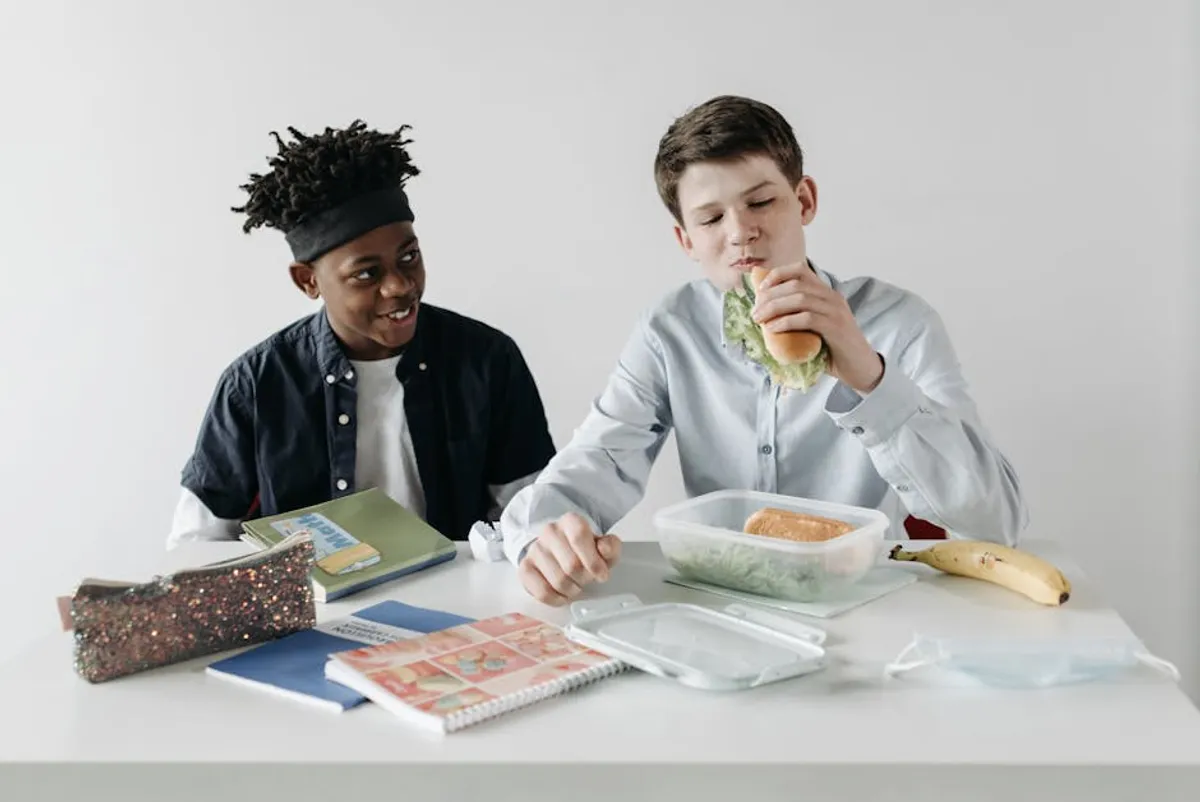
Packing school lunchboxes presents a consistent challenge for parents: how to deliver nutritious, appealing, and safe meals that kids will actually eat, day after day. The objective extends beyond mere sustenance; it involves fostering healthy eating habits, managing food waste, and navigating budgetary and time constraints. A well-planned lunchbox supports a child's energy levels and concentration throughout the school day, directly impacting their learning and well-being. This requires a strategic approach to food selection, preparation, and presentation, balancing nutritional requirements with practical considerations like shelf stability and ease of consumption.
Establishing a Nutritional Framework
A balanced lunchbox forms the foundation for a child's daily energy and developmental needs. Prioritizing specific food groups ensures a comprehensive intake of essential macronutrients and micronutrients.
Protein for Growth and Satiety
Include a protein source to promote muscle growth and maintain satiety, reducing the likelihood of mid-afternoon energy crashes. Examples include slices of lean turkey or chicken, hard-boiled eggs, cheese sticks, Greek yogurt, hummus with pita bread, or edamame. For plant-based options, consider roasted chickpeas or lentil-based spreads.
Complex Carbohydrates for Sustained Energy
Opt for complex carbohydrates over simple sugars to provide sustained energy release, crucial for focus and activity. Whole-grain bread, wraps, crackers, pasta salads, quinoa, or brown rice cakes are effective choices. These provide fiber, aiding digestion and contributing to a feeling of fullness.
Fruits and Vegetables for Vitamins and Fiber
Integrate a variety of colorful fruits and vegetables to supply essential vitamins, minerals, and dietary fiber. Cut-up carrots, cucumber slices, bell pepper strips, cherry tomatoes, apple wedges, berries, and grapes are easy to pack and consume. Aim for at least two different types to maximize nutrient diversity and visual appeal.
Healthy Fats for Brain Development
Incorporate sources of healthy fats to support brain function and overall development. Avocado slices, a small handful of nuts (if school policy permits), seeds (like chia or flax mixed into yogurt), or a drizzle of olive oil in a pasta salad contribute beneficial fats. These also enhance the absorption of fat-soluble vitamins.
Practical Strategies for Picky Eaters
Addressing selective eating habits requires creativity and persistence. Tailoring lunchbox contents to a child's preferences while subtly expanding their palate is key.
Deconstructed Meals and Component Separation
Picky eaters often prefer foods served separately rather than mixed. A "deconstructed" sandwich with bread, cheese, and meat slices packed individually allows the child to assemble or eat components as desired. Similarly, keep fruits, vegetables, and main dishes in distinct compartments within a bento-style box to prevent flavors from mixing and maintain textures.
Leveraging Fun Shapes and Colors
Visual appeal significantly influences a child's willingness to eat. Use cookie cutters to create animal shapes from sandwiches or cheese. Arrange colorful fruits and vegetables in patterns. Small, bite-sized portions are generally less intimidating and easier for children to manage, encouraging consumption.
Involve Children in the Planning Process
Allowing children to participate in selecting lunchbox items fosters a sense of ownership and reduces resistance. Offer two healthy options for each food group (e.g., "Do you want apple slices or grapes today?"). This empowers them with choice while ensuring nutritional guidelines are met. They are more likely to eat what they helped choose.
Streamlining Lunchbox Preparation
Efficient preparation minimizes daily stress and ensures consistency in providing wholesome meals.
Weekend Batch Prep for Efficiency
Dedicate a portion of the weekend to prepare components that can be used throughout the week. Hard-boil a dozen eggs, chop vegetables, cook a batch of quinoa or pasta, or bake muffins. Store these items in airtight containers, ready for quick assembly each morning.
Assembly Line Approach
Organize your pantry and refrigerator with designated lunchbox items. When packing, set up a mini assembly line: grab a main, then a fruit, a vegetable, and a snack. This systematic approach reduces decision fatigue and speeds up the process.
Freezer-Friendly Options
Prepare and freeze individual portions of items like homemade mini pizzas, healthy muffins, whole-wheat pancakes, or even small containers of soup. These can be pulled out the night before to thaw in the refrigerator or packed frozen to act as an ice pack, gradually thawing by lunchtime.
Pro Tip: Always pack a small, labeled note or drawing. This personal touch can significantly boost a child's morale and remind them they are thought of during their school day, making the lunchbox a positive experience beyond just the food.
Ensuring Food Safety and Optimal Packaging
Food safety is paramount to prevent illness and maintain food quality. Proper packaging also helps preserve freshness and prevent leaks.
Temperature Control with Insulated Bags
Utilize an insulated lunch bag with at least one ice pack to keep perishable foods, such as dairy products, cooked meats, and salads, at a safe temperature (below 40°F/4°C). For warm items, a pre-heated thermos can keep food hot for several hours (above 140°F/60°C).
Allergen Awareness and Cross-Contamination
Be mindful of school allergen policies. If packing nuts or other common allergens, ensure they are clearly labeled or avoided if prohibited. Use separate cutting boards and utensils for preparing allergen-free meals to prevent cross-contamination, especially if a household member has severe allergies.
Leak-Proof Containers and Portion Control
Invest in high-quality, leak-proof containers with secure seals, particularly for items with sauces, yogurt, or juicy fruits. Compartmentalized containers are excellent for keeping different foods separate and visually appealing. These also help with portion control, ensuring appropriate serving sizes for a child's age and activity level.
Creative Lunchbox Combinations
- Mini Mezze Platter: Hummus, pita bread triangles, cucumber sticks, carrot sticks, cherry tomatoes, and a few olives.
- Wrap & Roll Adventure: Whole-wheat tortilla spread with cream cheese or avocado, layered with turkey slices and spinach, then rolled tightly and sliced into pinwheels.
- DIY Lunchable: Whole-wheat crackers, cheese slices cut into shapes, and lean ham or turkey circles. Add some grape tomatoes.
- Pasta Salad Power: Cold whole-wheat pasta mixed with pesto, chopped bell peppers, corn, and a sprinkle of feta cheese.
- Breakfast for Lunch: Mini whole-wheat pancakes or waffles with a side of berries and a small container of Greek yogurt.
- Skewered Delights: Small cubes of cheese, grapes, cherry tomatoes, and cooked chicken or turkey on blunt skewers.
Sustaining Lunchbox Success
Consistent effort and adaptation are key to successful lunchbox packing. Regularly solicit feedback from your child about what they enjoyed and what they left untouched. This iterative process allows for adjustments that minimize waste and increase consumption. Focus on small, manageable changes rather than overhauling the entire routine at once. By prioritizing nutrition, engaging children in the process, and implementing efficient preparation techniques, parents can consistently provide appealing and healthy meals that support their child's school day.
Frequently Asked Questions
How can I prevent sandwiches from getting soggy?
To prevent sogginess, spread butter or cream cheese on both slices of bread to create a barrier before adding moist fillings like tomatoes or lettuce. Pack wet ingredients separately or opt for wraps, which tend to hold up better than sliced bread.
What are good alternatives to sandwiches?
Beyond sandwiches, consider pasta salads, quinoa bowls, deconstructed snack plates, mini quiches, homemade sushi rolls, or hearty soups in a thermos. Wraps, pitas, and crackers with various dips also offer excellent variety.
How do I ensure my child's lunch stays cold/warm until lunchtime?
For cold items, use an insulated lunch bag with at least one frozen gel pack. For warm items, preheat a thermos with boiling water for 5-10 minutes, then empty it and immediately fill with hot food. Pack the thermos in an insulated bag for added temperature retention.