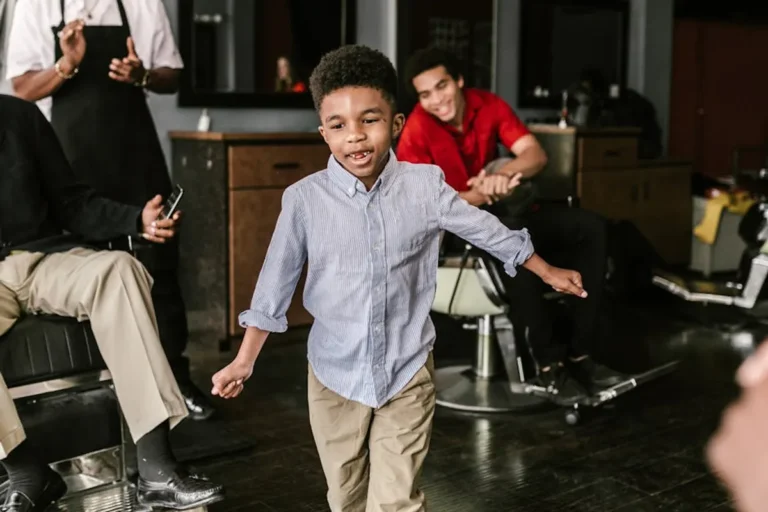
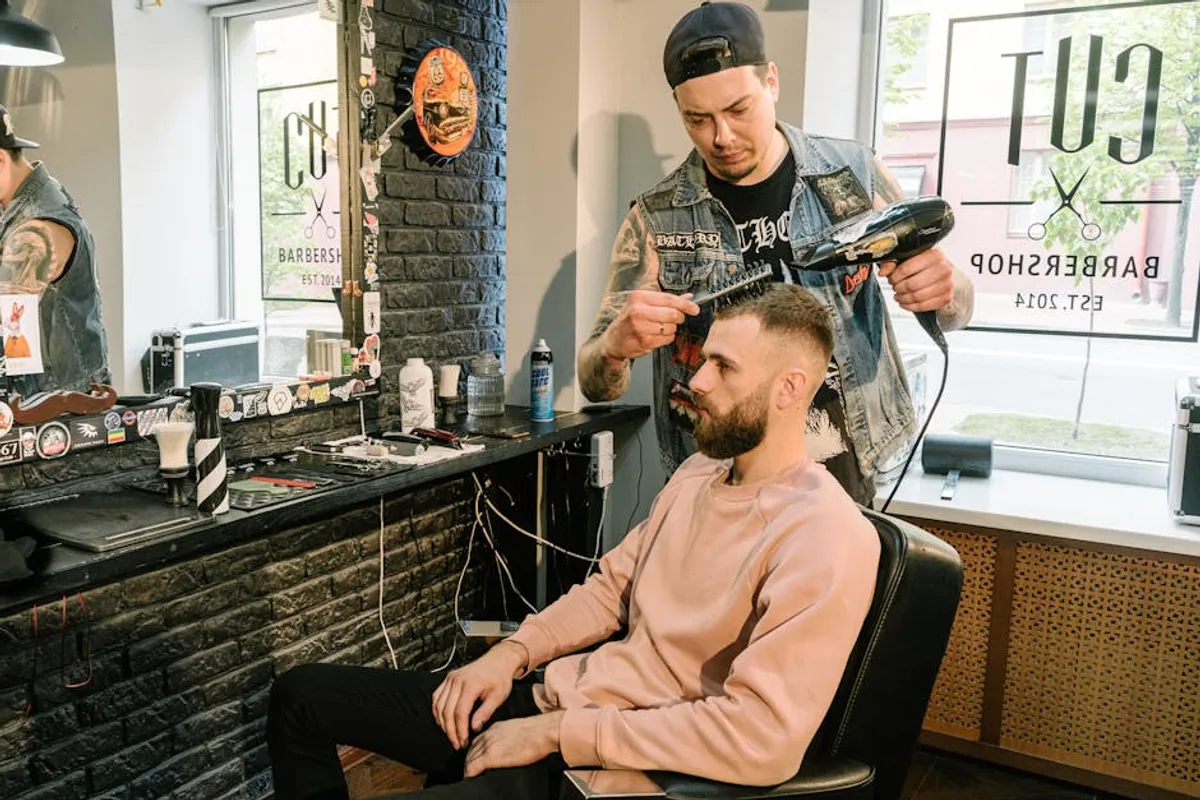
Selecting a haircut for a child involves more than just aesthetics; it's a practical decision influenced by age, hair type, daily routine, and the child's evolving personality. Parents often seek styles that are easy to maintain, comfortable for their child, and durable enough to withstand active play, while also reflecting current trends or a classic appeal. The challenge lies in balancing these functional requirements with a look that both parent and child appreciate, ensuring the style supports their lifestyle without becoming a source of daily struggle.
Understanding Your Child's Hair and Needs
Before considering specific styles, assess the fundamental characteristics of your child's hair and their daily habits. This foundational understanding will narrow down suitable options and prevent choices that lead to frustration.
Hair Type and Texture Considerations
The natural texture and density of a child's hair dictate how a style will sit and behave. Ignoring these factors can result in a cut that requires excessive styling or doesn't hold its shape.
- Fine Hair: Benefits from blunt cuts or minimal layering to create an illusion of fullness. Styles like a classic bob or a short, uniform crop add volume. Avoid excessive thinning, which can make fine hair appear sparser.
- Thick Hair: Requires strategic layering or texturizing to reduce bulk and prevent a heavy, helmet-like appearance. Graduated bobs, shags, or longer layered cuts work well, providing movement and manageability.
- Straight Hair: Shows precision cuts well. Bobs, blunt fringes, or sharp partings are often effective. Longer styles can benefit from subtle layering to prevent them from looking too flat.
- Wavy/Curly Hair: Thrives with cuts that enhance natural curl patterns. Layers are crucial for distributing weight and preventing frizz. Avoid blunt cuts that can create a triangular shape. Longer lengths often allow curls to form more defined spirals.
- Coily/Kinky Hair: Requires styles that respect its shrinkage and texture. Protective styles, tapered cuts, or carefully shaped afros are common. Moisture retention and gentle handling are paramount.
Age-Appropriate Styles
A child's age directly influences the practicality and safety of a haircut. What works for a toddler may not suit a pre-teen, and vice-versa.
Toddler and Preschooler Cuts (1-5 years): Prioritize safety, comfort, and minimal maintenance. Styles should keep hair out of eyes and be easy to wash and dry. Short bobs, simple trims, or very short crops are common. Avoid intricate styles that require daily product application or heat styling.
School-Aged Kids' Styles (6-12 years): Children in this age group are more active and may start expressing preferences. Styles should remain practical but can incorporate more shape and personality. Layered cuts, longer bobs, or classic short back and sides for boys are popular. Fringes (bangs) can be introduced if they don't impede vision during school activities.
Pre-Teen and Early Teen Trends (13-16 years): This age group is highly influenced by peer trends and celebrity styles. They often desire more sophisticated or fashion-forward cuts. Popular options include shags, curtain bangs, textured crops, fades with longer tops, or longer, layered styles that allow for versatile styling. Communication with the child about maintenance commitment is essential here.
Lifestyle and Maintenance
Consider the child's activity level and the time available for daily hair care. An active child participating in sports will benefit from shorter, easily managed styles or longer hair that can be quickly tied back.
Low Maintenance: Short cuts, blunt bobs, or simple trims that air dry well and require minimal brushing or product. These are ideal for busy families or children who dislike hair routines.
Moderate Maintenance: Layered cuts, fringes, or longer styles that might need some detangling, occasional styling product, or a quick blow-dry to look their best.
High Maintenance: Intricate styles, very long hair, or cuts requiring specific products, heat styling, or daily re-styling. These are generally less practical for younger children but may be desired by older pre-teens willing to invest the effort.
Current Trends in Kids' Haircuts
While classic styles remain popular, certain trends offer modern updates and fresh inspiration.
Gender-Neutral Options
The rise of gender-neutral fashion extends to hairstyles, offering versatile cuts that suit any child. These often focus on texture, movement, and adaptable lengths.
Examples:
* Textured Crops: Short on the sides and back with a slightly longer, textured top, allowing for varied styling (messy, swept forward).
* Shags: Layered cuts with shorter pieces around the face and crown, creating a soft, undone look.
* Modern Bobs: Can be classic blunt or layered, often with a slight A-line shape or soft texture.
* Bowl Cuts (Modernized): A softer, more textured version of the classic, often with longer fringe pieces.
Classic Styles with Modern Twists
Traditional cuts are frequently updated with contemporary elements like subtle undercuts, textured finishes, or specific fringe placements.
For Boys:
* Fades and Undercuts: Short on the sides and back, gradually blending into longer hair on top. The top can be styled as a quiff, pomp, or left natural and messy.
* Crew Cuts/Buzz Cuts: Practical and low-maintenance, often with a slightly longer top for styling versatility.
* Slick Back/Side Part: Classic styles given a modern edge with texture or a less rigid finish.
For Girls:
* Long Layers: Adds movement and body to longer hair, suitable for various textures.
* Bobs (Blunt or Layered): A timeless choice, often updated with a textured finish or a side-swept fringe.
* Curtain Bangs: A softer, parted fringe that frames the face, popular across different hair lengths.
Styling and Care Tips
Effective styling and consistent care prolong the life of a haircut and keep hair healthy.
Pro Tip: When using styling products for children, opt for gentle, child-specific formulas that are free from harsh chemicals and strong fragrances. For active children, a light styling cream or sea salt spray can add texture without stiffness, while a detangling spray is essential for longer hair to prevent breakage.
Regular washing with appropriate shampoo and conditioner is fundamental. For longer or curlier hair, a leave-in conditioner can aid manageability. Introduce gentle brushing habits early to prevent tangles and reduce discomfort. For styles requiring more definition, a small amount of product can be applied, focusing on the ends or specific sections rather than the scalp.
Choosing the Right Stylist
A successful haircut experience often hinges on the stylist's expertise and approach. Seek out professionals who specialize in or have extensive experience with children's haircuts.
Key considerations:
* Patience and Communication: The stylist should be patient with children, able to communicate effectively with both the child and parent, and understand how to make the experience comfortable.
* Understanding Hair Growth: A good stylist will consider how the hair will grow out, ensuring the style retains its shape for several weeks.
* Practical Advice: They should offer realistic advice on maintenance, styling, and product recommendations tailored to the child's hair type and lifestyle.
Making Informed Haircut Decisions
Choosing a kids' haircut involves a balance of practical needs, aesthetic preferences, and the child's comfort. By considering hair type, age, lifestyle, and current trends, parents can select a style that is not only visually appealing but also easy to manage and enjoyable for the child. Open communication with the child and a skilled stylist will lead to the most successful outcomes, ensuring the haircut supports their daily life and boosts their confidence.
Frequently Asked Questions
How often should a child get a haircut?
The frequency depends on the style and growth rate. Short cuts may need trimming every 4-6 weeks to maintain shape, while longer styles can go 8-12 weeks between trims, primarily to remove split ends and maintain health.
What if my child is scared of haircuts?
Choose a child-friendly salon with experienced stylists. Bring a comfort item or favorite toy, schedule the appointment when the child is well-rested, and consider a "dry cut" to avoid the wash basin if that's a source of anxiety. Positive reinforcement after the cut can also help.
How do I choose a style for an active child?
For active children, prioritize low-maintenance styles that keep hair out of their face and eyes. Shorter cuts like textured crops, buzz cuts, or bobs are practical. Longer hair should be easily tied back into ponytails or braids to prevent obstruction during play and sports.
Should I let my child choose their own haircut?
For older children and pre-teens, allowing them input fosters independence and ensures they like their look. For younger children, parents should guide the decision, prioritizing practicality and comfort, but can offer choices between a few pre-approved, age-appropriate styles.