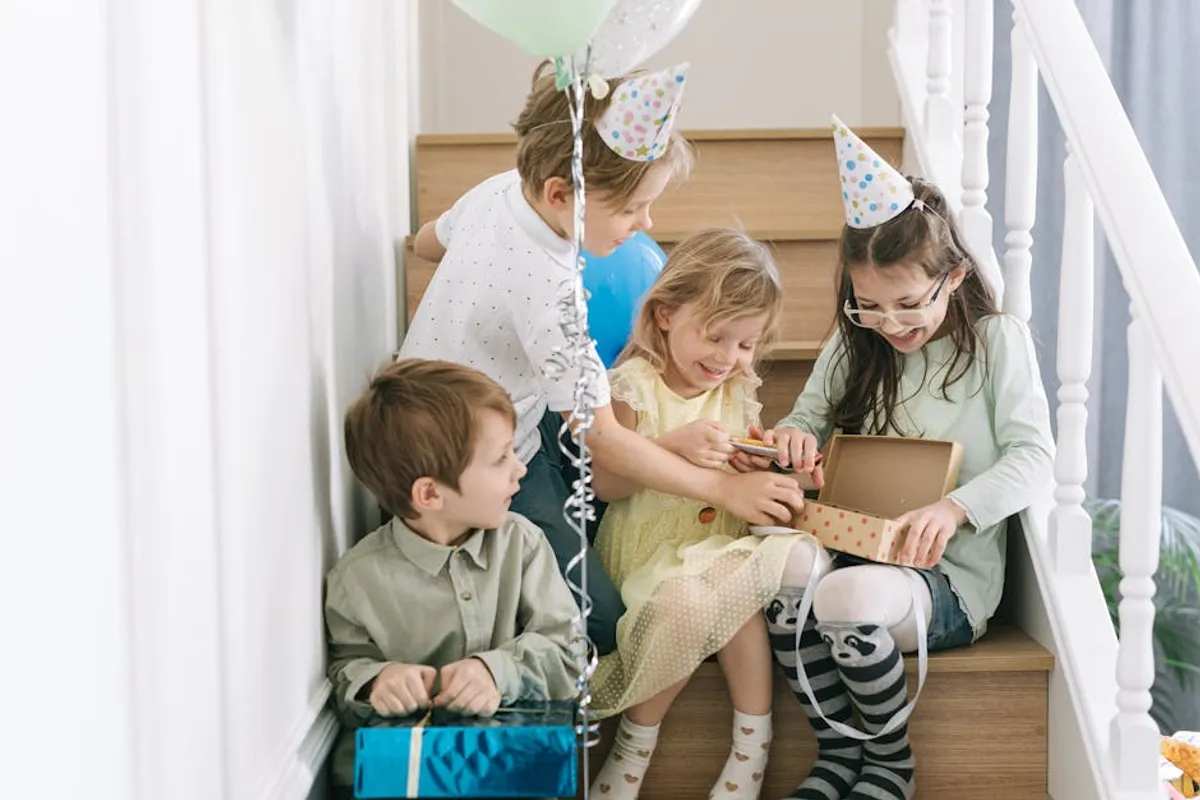
Planning a child's birthday party requires more than just picking a theme; it demands a strategic approach to match activities and expectations with the child's developmental stage. A party designed for a five-year-old will fall flat for a twelve-year-old, and vice versa. Successful celebrations balance the child's current interests with practical considerations like attention spans, supervision needs, and guest interaction dynamics. This guide outlines age-appropriate party ideas, focusing on elements that ensure engagement and enjoyment for every stage of childhood, from first birthdays to teenage milestones.
Toddler & Preschooler Parties (Ages 1-4)
For the youngest party-goers, the focus remains on simple joys and sensory experiences. These parties are often as much for the parents as they are for the children, requiring a relaxed atmosphere and flexible scheduling around naps and feeding times.
Key Considerations for Early Years
Attention spans at this age are measured in minutes, not hours. Activities should be short, engaging, and easily transitioned. Sensory play is highly effective, as toddlers learn through touch, sight, and sound. Parental presence is almost universal, so ensure there's space and comfort for adults to supervise and socialize. Keep the guest list manageable; a smaller group reduces overstimulation and allows for more focused interaction. The entire event should ideally not exceed 1.5 to 2 hours.
Theme & Activity Ideas
Simple, recognizable themes work best. Think farm animals, beloved cartoon characters with basic shapes, or construction vehicles. Activities can include:
- Bubble Machine Fun: Always a hit, providing visual and tactile stimulation.
- Soft Play Area: A designated space with cushions, tunnels, and soft blocks encourages safe exploration.
- Sensory Bins: Fill bins with rice, pasta, water, or sand, along with scoops and small toys.
- Short Story Time or Sing-Alongs: Led by an adult, these offer a calm, engaging break.
- Simple Art Station: Large crayons and paper, or finger paints (with smocks), for free expression.
Pro Tip: For toddlers and preschoolers, prioritize a small guest list (often just close family and a few friends) and a party duration of no more than two hours. This minimizes overstimulation and burnout for both the birthday child and their young guests.
Young School-Aged Parties (Ages 5-8)
Children in this age range are developing stronger social skills and enjoy more structured play, but still benefit from clear guidance and opportunities for imaginative expression. They appreciate themes that allow them to step into a role or embark on a mini-adventure.
Fostering Engagement & Imagination
This age group thrives on activities with a clear objective. Group games become more feasible, encouraging teamwork or friendly competition. Creative stations allow for individual expression within a themed context. Parties can extend to 2-3 hours, accommodating more activities and a meal or cake cutting.
Popular Concepts
Themes can be more elaborate, drawing from popular culture or classic childhood fantasies:
- Superhero Training Academy: Obstacle courses, "save the day" missions, cape decorating.
- Princess or Knight Festival: Dress-up, royal crafts, a "quest" for a hidden treasure.
- Mad Scientist Lab: Simple, safe experiments like volcano eruptions or slime making.
- Outdoor Adventure: Scavenger hunts in a park, nature walks with discovery elements.
- Indoor Play Centers: Trampoline parks, bounce houses, or soft play gyms offer structured fun with minimal planning effort.
Pre-Teen Parties (Ages 9-12)
Pre-teens are navigating increasing independence and value social interaction with their peers. Parties should offer opportunities for collaboration, skill-building, or shared experiences, with less direct adult intervention.
Encouraging Independence & Social Interaction
Activities for this age group should facilitate peer-to-peer engagement. Challenges that require problem-solving or teamwork are particularly appealing. While supervision is still necessary, it can be less overt, allowing kids more freedom within a safe environment. Party durations can be 3-4 hours, or even extend to sleepovers for closer friends.
Activity & Venue Suggestions
Ideas for pre-teen parties often move beyond home-based activities to external venues or more complex projects:
- Laser Tag or Bowling: Classic competitive group activities.
- Escape Rooms: Age-appropriate versions that require teamwork and critical thinking.
- Creative Workshops: Pottery painting, tie-dye, jewelry making, or even a basic cooking class.
- Outdoor Exploration: Geocaching, mini-golf, or a themed hike with a picnic.
- Themed Movie Night: At home with a projector and themed snacks, or a cinema trip.
Teen Parties (Ages 13-16+)
Teenagers prioritize social connection, music, and experiences that feel mature and memorable. Parties for this age group often resemble small events, with a focus on atmosphere and entertainment rather than structured games.
Balancing Fun with Maturity
Teens appreciate gatherings that allow for free-form conversation and activities that are trending or offer a novel experience. Music is often central, whether through a playlist, DJ, or live performance. Consider venues that provide built-in entertainment or a sophisticated backdrop for photos and socializing. Party durations can vary widely, from a few hours for an activity to an entire evening event.
Elevated Experiences
Ideas that resonate with teenagers include:
- Themed Dinner Party: A specific cuisine, a "murder mystery" element, or a formal dress code.
- Outdoor Movie Screen: Projector, comfy seating, and a fire pit for s'mores.
- Concert or Sporting Event: A group outing to see a favorite band or team.
- Amusement Park or Water Park Trip: A full day of thrills and shared experiences.
- Photo Booth with Props: Encourages playful interaction and creates lasting memories.
- "Mocktail" Bar: Offer a variety of non-alcoholic drinks and ingredients for teens to mix their own creations.
Warning: For teen parties, especially those with larger groups or off-site venues, clear communication with parents about supervision, drop-off/pick-up times, and any specific rules is essential for safety and a smooth event.
Practical Planning Considerations
Regardless of age, several logistical elements remain consistent across all birthday party planning:
- Budget Allocation: Determine spending limits for venue, food, entertainment, decorations, and party favors. Prioritize elements that deliver the most impact for the birthday child.
- Guest List & Invitations: Manage RSVPs efficiently. For younger children, clarify if parents are expected to stay. For older children, digital invitations can be effective.
- Food & Drink: Cater to common allergies (nuts, dairy, gluten) and dietary preferences. Offer a mix of crowd-pleasers and healthier options.
- Party Favors: Choose items that are age-appropriate and ideally useful or consumable, rather than disposable trinkets. Small craft kits, books, or seed packets can be good options.
- Backup Plans: Always have a contingency for outdoor parties in case of bad weather, or for unexpected cancellations of entertainment or venues.
Frequently Asked Questions
How far in advance should I book a party venue?
For popular venues or specific dates, booking 3-6 months in advance is advisable, especially for weekend slots. Home parties require less lead time, but still plan at least 4-6 weeks ahead for invitations and supplies.
What's a good duration for a kids' birthday party?
For toddlers and preschoolers (ages 1-4), 1.5 to 2 hours is ideal. For young school-aged children (ages 5-8), 2 to 3 hours works well. Pre-teens (ages 9-12) can enjoy parties lasting 3 to 4 hours, and teen parties (13+) can extend for several hours into the evening.
How many activities should I plan for a party?
It's better to have a few well-executed activities than many rushed ones. For younger children, 2-3 main activities are sufficient, interspersed with free play. For older children, 3-4 activities or one main event with supporting elements usually fills the time without feeling overscheduled.
What are some budget-friendly party ideas?
Hosting at home or a local park is often more economical than a dedicated venue. Potluck-style food, DIY decorations, and simple group games (e.g., scavenger hunts, charades, musical chairs) reduce costs significantly. Focusing on a single, memorable activity like a backyard campout or a themed craft session can also be budget-conscious.