
Developing organizational skills in children provides a foundational framework for academic success, personal responsibility, and efficient time management throughout their lives. This process is not about imposing rigid rules, but rather about equipping kids with practical systems and habits that reduce stress, foster independence, and create a more predictable environment. Effective teaching involves understanding developmental readiness, implementing consistent strategies, and adapting approaches as children grow. The goal is to cultivate intrinsic motivation for order, rather than relying solely on external enforcement.
Understanding Developmental Stages
Teaching organization effectively requires tailoring methods to a child's cognitive and motor skill development. What works for a preschooler will be ineffective for a teenager, and vice-versa.
Toddlers and Preschoolers (Ages 2-5)
At this stage, organization is primarily about establishing simple routines and clear physical boundaries. Children this age thrive on predictability. Implement "a place for everything" with highly visible, accessible storage. Label bins with pictures or simple words. Focus on two-step instructions, such as "Put the blocks in the red bin." To make tidying up even easier, explore some great ideas for organizing kids' rooms that fit their needs and your space.
- Key focus: Routine establishment and visible storage.
- Practical application: Use open bins, clear containers, and low shelves.
Early Elementary (Ages 6-9)
Children in this age group can begin to grasp more complex concepts like sorting, categorizing, and following multi-step instructions. Introduce basic checklists for daily tasks, such as packing a backpack or tidying a bedroom. This is an opportune time to involve them in decluttering decisions, asking questions like "Do you still play with this?" or "Where do you think this belongs?"
Best for: Introducing basic responsibility and decision-making about possessions.
Pre-Teens and Adolescents (Ages 10-14+)
Older children can manage more abstract organizational systems, including time management, project planning, and digital file management. Empower them to design their own systems, offering guidance rather than dictating solutions. Introduce planners, calendars, and task management apps. The emphasis shifts from physical tidiness to managing responsibilities and schedules independently.
Key focus: Independent system development and time management.
Core Principles for Teaching Organization
Regardless of age, certain underlying principles ensure that organizational lessons are absorbed and sustained.
Start Small and Build Routines
Overwhelming children with too many tasks or a complete overhaul of their space is counterproductive. Begin with one small area, such as a toy bin or a school bag. Once that system is established, gradually expand to other areas. Consistency is paramount; integrate organizational tasks into daily routines, making them as natural as brushing teeth.
Model Organized Behavior
Children learn by observation. When parents or caregivers consistently demonstrate organized habits – putting keys in the same spot, maintaining a tidy workspace, planning daily tasks – children internalize these behaviors as normal and valuable. Verbalize your organizational process ("I'm putting these papers here so I can find them later") to make the thinking visible.
Implement Visual Systems
Visual cues are powerful. Color-coding, labels (pictures for young children, words for older), clear containers, and designated spots for items reduce cognitive load and make it easier for children to know where things belong and where to find them. These systems act as external memory aids, reinforcing habits.
Involve Kids in the Process
Ownership fosters commitment. When children participate in creating their organizational systems – choosing where items go, designing labels, or selecting storage solutions – they are more likely to adhere to them. This collaboration also provides opportunities to teach problem-solving and compromise.
Pro Tip: Consistency is more impactful than intensity. Five minutes of daily, focused organizing with a child is more effective than one marathon session once a month. Daily reinforcement builds habits; sporadic efforts lead to frustration and backsliding.
Practical Strategies and Tools
Translating principles into action requires specific methods and resources.
Decluttering Simplified
Regular decluttering prevents overwhelm. For younger children, use a "keep, donate, trash" system with three distinct bins. For older children, introduce the concept of "one in, one out" to manage new acquisitions. Schedule decluttering sessions regularly – quarterly for toys, seasonally for clothes – to prevent accumulation.
Creating Dedicated Zones
Assign specific zones for different activities. A "homework zone" with all necessary supplies, a "play zone" for toys, and a "reading nook" for books. This spatial organization helps children transition between activities and know where to find or return items. Zones should be clearly defined and maintained.
Using Checklists and Planners
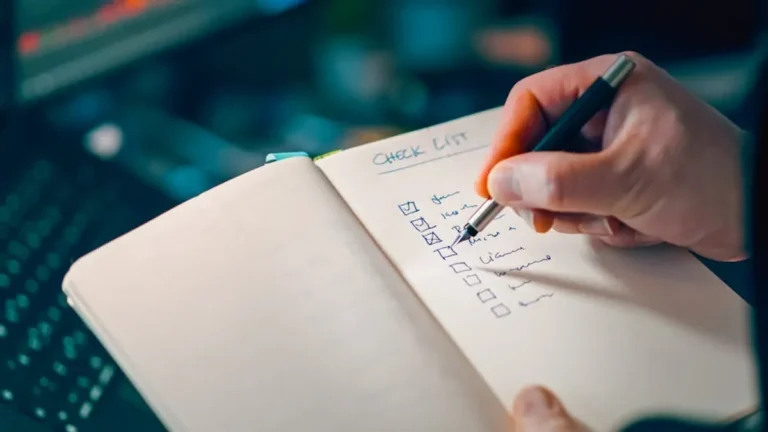
Checklists break down larger tasks into manageable steps, providing a sense of accomplishment as items are marked off. For elementary children, a simple laminated checklist for morning or bedtime routines works well. Pre-teens and adolescents can benefit from daily planners or digital task lists to manage school assignments, extracurriculars, and personal commitments.
- Morning routine checklist example:
- Make bed
- Get dressed
- Eat breakfast
- Brush teeth
- Pack backpack
Digital Organization Basics
As children use more digital devices for school and entertainment, teaching digital organization becomes crucial. This includes creating logical folder structures for files, naming documents consistently, and managing email inboxes. Introduce cloud storage concepts for backup and accessibility, emphasizing the importance of digital tidiness alongside physical order.
Cultivating Lasting Habits
Teaching children organizational skills is an ongoing process that yields significant long-term benefits. By implementing age-appropriate strategies, modeling desired behaviors, and involving children in system creation, you equip them with tools for self-management and efficiency. The goal is to foster a sense of control over their environment and responsibilities, leading to increased confidence and reduced daily friction. This developmental investment supports academic performance, personal well-being, and preparedness for future challenges.
Frequently Asked Questions
What is the best age to start teaching kids organization?
You can begin introducing basic organizational concepts as early as two years old by establishing simple routines and providing clear, accessible storage for toys. The complexity of tasks should increase with their developmental stage.
How can I make organizing fun for my child?
Incorporate games, use colorful storage solutions, play music during tidying times, or turn it into a race. Allowing children to choose their own organizing tools or decorating their storage bins can also increase engagement.
What if my child resists organizing?
Resistance often stems from feeling overwhelmed or lacking ownership. Break tasks into smaller steps, offer choices where appropriate, and focus on positive reinforcement. Avoid punishment, as it can create negative associations with organizing. Consistency and patience are key.
How often should we declutter?
Regular, smaller decluttering sessions are more effective than infrequent, large ones. Aim for quick daily tidies, weekly resets, and more thorough seasonal or quarterly declutters for items like clothes and toys.