Effectively sharing creative work and professional recognition online requires a strategic approach that balances audience reach with content control and presentation quality. Whether you're an artist, writer, or business professional, the platforms and methods you choose for your photography, essays, and press mentions directly impact their discoverability, perceived value, and long-term accessibility. This guide details how to navigate these choices to build a cohesive and impactful online presence for your diverse content.
Presenting Photography with Impact
Sharing photography online involves more than just uploading images; it requires careful consideration of resolution, copyright, and the user experience. Your objective dictates the platform choice, whether it's for portfolio display, social engagement, or print sales.
Dedicated Portfolio Sites and Galleries
For professional display and client acquisition, a dedicated portfolio website offers maximum control over presentation, branding, and image quality. These platforms typically allow for high-resolution uploads, custom layouts, and integration with e-commerce for print sales or licensing. Key benefits include full ownership of your content, the ability to implement specific SEO strategies, and a professional, uncluttered viewing experience.
- Image Resolution: Upload high-resolution files for optimal quality, but serve web-optimized versions to ensure fast loading times. A common practice is to export images at 2048 pixels on the longest side for web display, with a resolution of 72 DPI.
- Metadata: Embed relevant EXIF and IPTC data (photographer, copyright, keywords) into your image files before uploading. This aids in organization and can contribute to discoverability.
- Watermarking: Implement subtle watermarks for protection, especially for un-licensed images, or rely on copyright notices and terms of use for licensed content.
- Image SEO: Use descriptive alt text for every image, employ relevant filenames, and consider structured data markup for image objects to enhance search engine visibility.
Social Media for Reach and Engagement
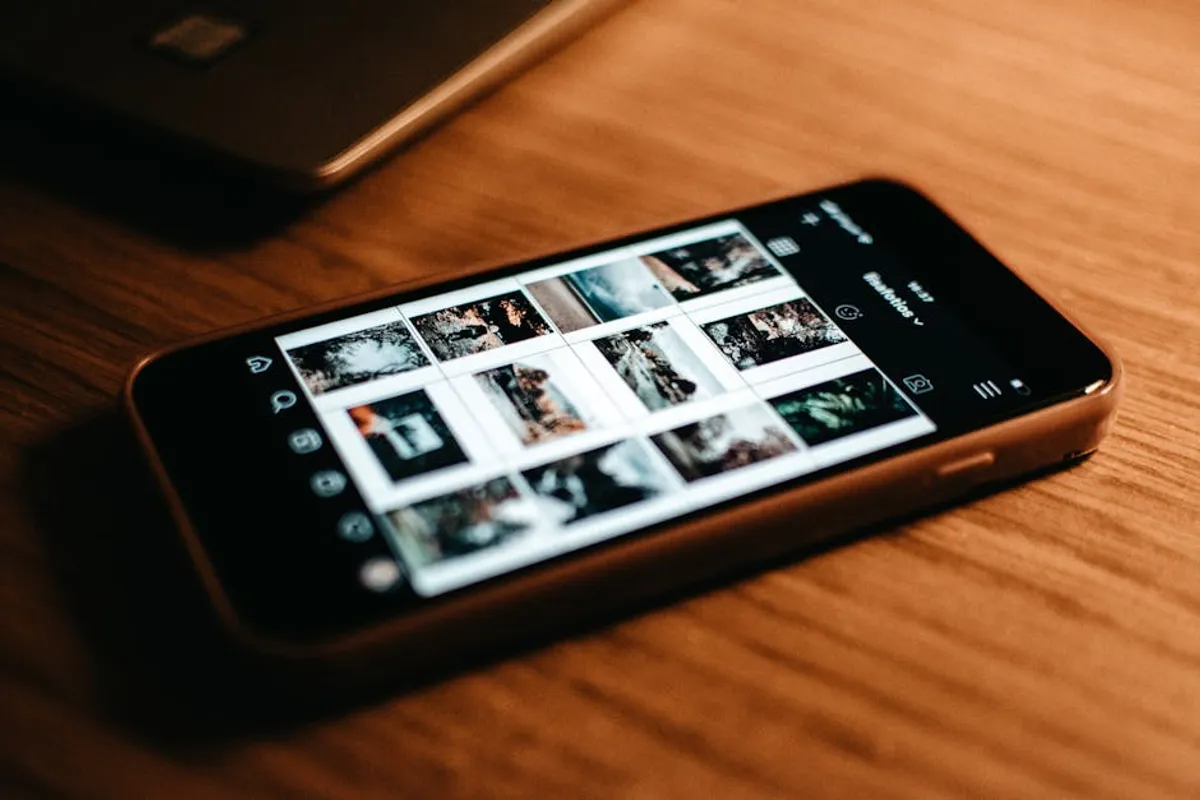
Platforms like Instagram or Flickr excel at audience engagement and discovery through hashtags and community features. However, they typically compress images, potentially reducing quality, and you often concede some control over your content's usage rights as per their terms of service. Use these platforms for building community, driving traffic to your primary portfolio, and showcasing behind-the-scenes content rather than as your sole professional archive.
Distributing Essays and Written Work
The distribution of essays, articles, and long-form written content depends on your goals: building an audience, establishing authority, or seeking publication. Control over your content and its presentation is paramount.
Personal Blogs and Content Management Systems
Operating your own blog on a content management system (CMS) provides complete editorial control, allowing you to customize design, integrate analytics, and implement advanced SEO techniques. This is ideal for establishing thought leadership, owning your audience data, and creating an archive of your work under your brand. Ensure your CMS supports:
- Custom URLs: Create clean, descriptive URLs for each essay to improve search engine ranking and user experience.
- Readability Features: Utilize headings, subheadings, bullet points, and short paragraphs to enhance readability.
- Internal Linking: Connect related essays within your site to improve user navigation and SEO.
- Author Bios: Include a consistent, professional author bio with each piece to build credibility.
Professional Writing Platforms
Platforms designed for writers can offer built-in audiences and simplified publishing tools. While they may limit customization and control compared to a personal blog, they can be effective for reaching new readers and testing content ideas without the overhead of site maintenance. Always review their terms regarding content ownership and monetization before committing.
Showcasing Press Mentions and Media Coverage
Press mentions, interviews, and media coverage serve as powerful social proof, enhancing credibility and authority. Presenting these effectively requires organization and adherence to usage rights.
Creating a Dedicated "Press" or "In the News" Section
A specific section on your website titled "Press," "Media," or "In the News" centralizes all your coverage. This provides a single, authoritative source for visitors and potential partners to review your media presence. For each mention, include:
- Original Source Link: Always link directly to the original article, video, or podcast episode on the publisher's site. This respects their traffic and provides verifiable proof.
- Brief Excerpt: Quote a compelling sentence or short paragraph from the coverage that highlights the key message or your contribution. This offers quick context to visitors.
- Publisher Logo: Use the official logo of the media outlet, ensuring it's recent and properly attributed.
- Date of Publication: Clearly state when the mention occurred.
Pro Tip: When displaying press mentions, always verify the publisher's content usage policies. While linking to original articles is generally acceptable, reprinting full articles or extensive excerpts often requires explicit permission. Failing to secure rights can lead to copyright infringement claims.
Embedding and Archiving
For video or audio mentions, embed the content directly from platforms like YouTube or SoundCloud. This provides a seamless viewing experience while respecting the original host's terms. For print articles, consider saving a PDF archive for internal reference, but primarily link to the live web version. If a publication goes offline, a screenshot of the article with a clear date and source can serve as an archival record, but always prioritize linking to live content.
Optimizing for Discoverability and Impact
Regardless of content type, discoverability is key. Implement fundamental SEO practices across all your shared content:
- Keywords: Research and integrate relevant keywords naturally into your essay titles, body text, image alt text, and press mention descriptions.
- Mobile Responsiveness: Ensure all platforms and your own website are fully responsive and load quickly on mobile devices.
- Structured Data: Utilize schema markup (e.g., Article schema for essays, ImageObject schema for photos) to provide search engines with explicit information about your content.
- Social Sharing Features: Enable easy social sharing buttons on your content pages to encourage audience distribution.
- Consistent Branding: Maintain a consistent visual identity and tone across all platforms to reinforce your professional brand.
Strategic Content Distribution for Broad Reach
Successfully sharing photography, essays, and press mentions online hinges on understanding the unique strengths of each content type and the platforms best suited for its distribution. By maintaining ownership where possible, optimizing for discoverability, and presenting your work professionally, you can build a robust and influential online presence. Prioritize platforms that offer control and high-quality presentation for your core assets, then leverage social channels strategically for expanded reach and engagement, always linking back to your primary hub.
Frequently Asked Questions
Do I need a separate website for each type of content?
No, a central website or portfolio can effectively host all three content types through dedicated sections (e.g., "Portfolio," "Blog," "Press"). This consolidates your online presence and strengthens your overall domain authority. Social media platforms then serve as distribution channels, directing traffic back to your primary site.
How can I protect my photography and essays from unauthorized use?
For photography, use watermarks, embed copyright metadata, and publish clear terms of use. For essays, ensure your website has a copyright notice, and if publishing on third-party platforms, understand their content rights policies. Registering your work with copyright offices offers stronger legal protection, though it is not a prerequisite for asserting copyright.
What's the best way to ensure my content is found by search engines?
Focus on foundational SEO: use relevant keywords in titles and body text, write descriptive alt text for images, create clear and concise URLs, ensure your site is mobile-friendly and loads quickly, and build internal links between your content. Additionally, consider submitting your sitemap to search engines and building high-quality backlinks.
Should I share my press mentions as full articles or just excerpts?
It is generally best practice to link directly to the original full article on the publisher's website. If you wish to include content on your own site, use brief, compelling excerpts and always credit the source clearly. Reprinting full articles typically requires explicit permission from the original publisher to avoid copyright infringement.