The constant influx of children's toys often leads to overwhelming clutter, transforming play areas into chaotic zones. This disarray not only creates stress for parents but can also hinder a child's ability to engage in focused, imaginative play. An effective toy organization system isn't just about tidiness; it's about creating a functional environment that supports developmental play, simplifies cleanup, and reduces household friction. Implementing a structured approach to toy storage can reclaim space, extend the life of toys, and foster a sense of order for the entire family.
Establishing a Decluttering Protocol
Before any storage solution can be effective, a thorough decluttering process is essential. This initial purge sets the foundation for a sustainable organization system. Without it, you're simply organizing clutter.
Sort, Purge, and Categorize
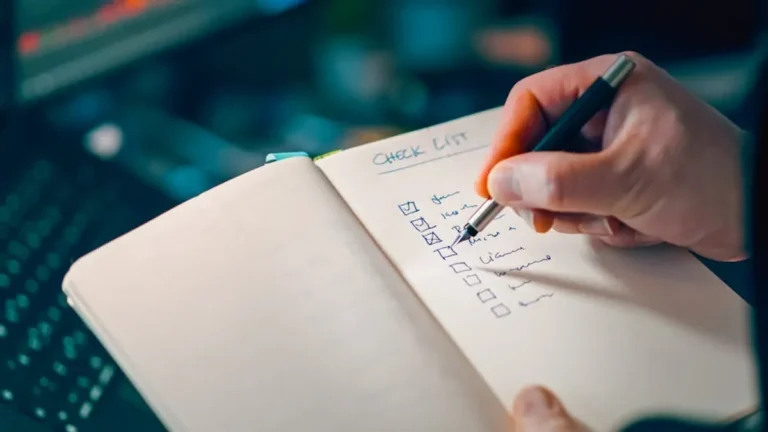
Begin by emptying all toys from their current locations into a central area. This provides a clear visual of the sheer volume. Next, create distinct piles based on their future: keep, donate, discard, or relocate (if they belong elsewhere in the house). Be objective during this phase.
- Keep: Toys actively played with, those with sentimental value, or educational items still in use. Ensure they are complete and functional.
- Donate: Gently used toys in good condition that are no longer played with, outgrown, or duplicated. Consider local charities, shelters, or consignment shops.
- Discard: Broken toys, items with missing pieces that render them unusable, or anything unsafe.
- Relocate: Items mistakenly stored with toys, such as clothing, books, or craft supplies belonging to another area.
Once the "keep" pile is established, categorize these toys further. Common categories include building blocks, dolls and accessories, vehicles, art supplies, puzzles, board games, and pretend play items. This categorization is critical for selecting appropriate storage.
Pro Tip: Involve older children in the decluttering process, but guide them. Allow them to make some decisions about what to keep or donate, which can foster a sense of ownership and reduce resistance. For younger children, sort during nap time or after bedtime to avoid emotional attachments hindering the purge.
Strategic Storage Solutions
With a streamlined and categorized collection, the next step is to implement storage solutions that are both practical and accessible for children.
Optimizing Vertical Space
Walls and corners often represent untapped storage potential. Utilizing vertical space maximizes storage capacity without encroaching on floor space, which is crucial for play.
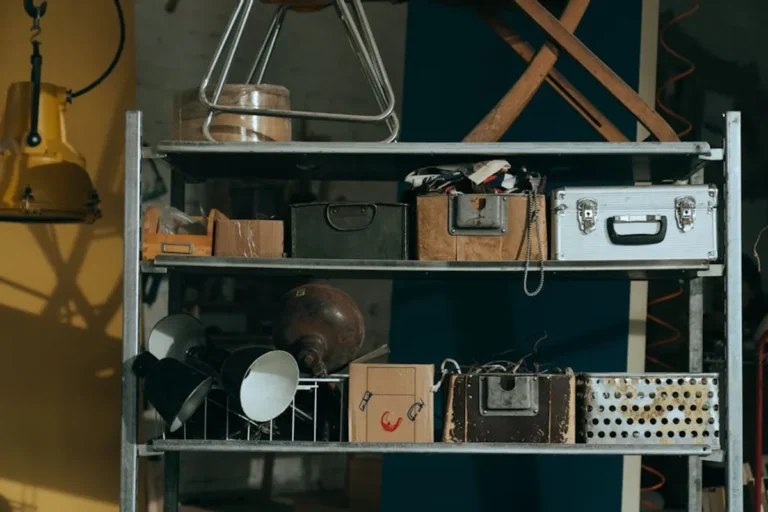
- Shelving Units: Open shelves allow for easy access and visibility. Combine with bins or baskets for smaller items. Ensure shelves are securely anchored to the wall to prevent tipping.
- Wall-Mounted Organizers: Fabric pockets, pegboards with hooks, or narrow wall shelves are ideal for small, frequently used items like art supplies, small figurines, or books.
- Stackable Bins: Clear, stackable bins can hold items that don't need constant access, like seasonal toys or those rotated out of play.
Container Selection and Placement
The type of container should match the toy and the child's age. Accessibility is paramount for encouraging independent cleanup.
Best for visual learners: Clear plastic bins or mesh bags allow children to see contents, reducing the need to dump everything out to find a specific item. These work well for blocks, small vehicles, or animal figures.
Best for aesthetics and soft items: Woven baskets or fabric bins can conceal less visually appealing items and are gentle on soft toys like stuffed animals or dress-up clothes. They also add texture to a room.
Best for small parts: Divided containers or tackle boxes are excellent for LEGOs, craft supplies, or small game pieces, preventing them from mixing.
Placement: Store frequently used toys at a child's eye level and within easy reach. Less frequently used items, or those requiring adult supervision, can be placed on higher shelves.
Implementing a Toy Rotation System
A toy rotation system keeps play fresh and prevents overwhelm. It involves storing a portion of toys out of sight and bringing them back into circulation periodically.
Process: Select 30-50% of the "keep" toys to be actively available. Store the remaining toys in opaque, labeled bins in a closet, garage, or under a bed. Every few weeks or months, swap out the active toys with a selection from storage. This makes old toys feel new again, reduces visual clutter, and encourages deeper engagement with fewer items.
Maintaining the System
An organization system is only effective if it's maintained. Consistency and child involvement are key.
Daily Cleanup Routines
Integrate a short, daily cleanup into the routine, perhaps 10-15 minutes before dinner or bedtime. Make it a collaborative effort. Assign specific tasks, like "put all the cars in the car bin" or "put the blocks back on the shelf."
Labeling for Clarity
Labels are indispensable, especially for younger children learning to read or for visual cues. Use both text and pictures on labels for bins and shelves. This reinforces categorization and makes it easier for children to put toys away independently.
Creating a Functional Play Environment
The goal of organizing toys extends beyond mere neatness; it's about fostering an environment where children can thrive. A well-organized space reduces decision fatigue, promotes independent play, and makes cleanup a manageable task rather than a daunting chore. By consistently decluttering, choosing appropriate storage, and involving children in the process, you create a sustainable system that benefits the entire household, transforming chaotic playrooms into zones of creativity and order.
Frequently Asked Questions
How often should I declutter children's toys?
A major decluttering session is recommended at least twice a year, typically before birthdays and holidays, or seasonally. Daily tidying and a quick weekly purge of broken or misplaced items help maintain order between larger purges.
What if my child resists getting rid of toys?
Involve them in the decision-making by offering choices, such as "Do you want to keep this car or donate it to a child who doesn't have one?" Focus on the positive impact of donating. For highly sentimental items, suggest taking a photo before donating to preserve the memory.
How can I store large or oversized toys?
For large toys like play kitchens or dollhouses, designate a specific spot in the room or a corner. For items like ride-on toys or sports equipment, consider garage storage or large, open bins that can accommodate their size without requiring disassembly.
Should I label toy bins with words or pictures?
Using both words and pictures on labels is most effective, especially for preschoolers and early readers. Pictures provide immediate visual cues for younger children, while words help reinforce literacy skills for older ones. This dual approach ensures clarity for all ages.