
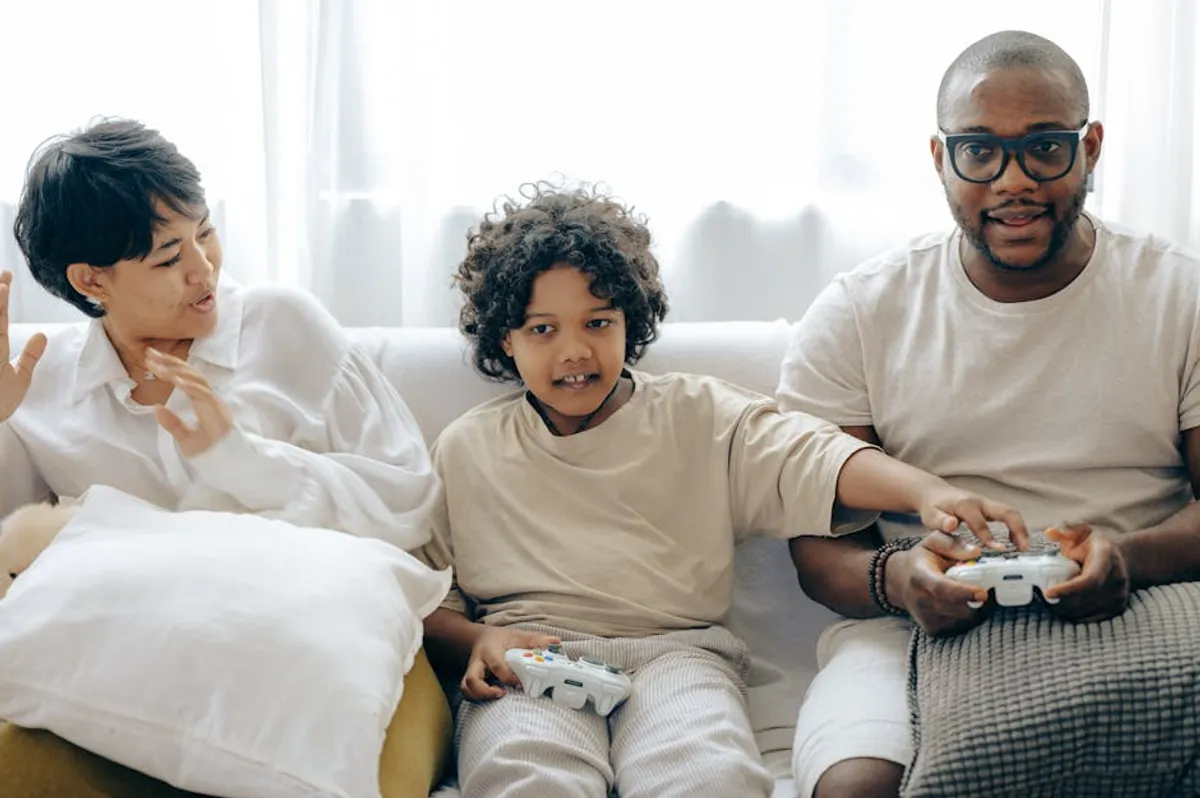
Family game night offers a structured opportunity for connection, shared laughter, and skill development, moving beyond passive entertainment. Choosing the right games, however, requires more than just picking up a popular title. It involves assessing your family's unique dynamics: the age range of participants, their collective and individual interests, the desired duration of play, and whether the goal is competitive rivalry or collaborative achievement. A successful game night is not about owning the most games, but about selecting experiences that foster engagement and create lasting memories, aligning with specific family preferences and time constraints.
Selecting Games by Interaction Style and Playtime
The core of a successful family game night lies in matching the game's mechanics and duration to the family's mood and available time. Different game types cater to distinct desires, from intense strategic thinking to lighthearted social interaction.
Cooperative Games for Shared Success
Cooperative games eliminate direct competition, focusing instead on teamwork to achieve a common goal against the game system itself. This format is particularly effective for families with younger children or those prone to competitive friction, as it encourages communication and shared problem-solving without singling out a "loser."
- Best for: Fostering collaboration, reducing conflict, teaching shared responsibility.
- Consider: Games where players discuss strategies openly, such as those involving resource management or sequential puzzle-solving. Ensure the difficulty can be adjusted to prevent frustration.
Strategy Games for Critical Thinking
Strategy games demand planning, foresight, and decision-making, offering a deeper, more cerebral experience. These games are suitable for families who enjoy intellectual challenges and can sustain focus over longer periods. They often involve resource management, tactical movement, or economic simulation.
- Best for: Developing critical thinking, long-term planning, and consequence assessment.
- Consider: Look for games with clear rule sets but emergent complexity. The learning curve should be manageable, but the depth should allow for varied strategies across multiple plays.
Party Games for Laughter and Engagement
Party games prioritize social interaction, humor, and quick, accessible gameplay. They are ideal for larger family gatherings or when the primary goal is lighthearted fun and spontaneous laughter. Rules are typically simple, allowing new players to join quickly.
- Best for: Large groups, breaking the ice, generating immediate fun, and accommodating varied skill levels.
- Consider: Games that rely on quick reactions, creative expression, or humorous prompts. Avoid overly complex scoring or lengthy setup.
Quick-Play Games for Flexible Schedules
When time is limited or attention spans are short, quick-play games provide immediate gratification. These games often have minimal setup, fast rounds, and straightforward objectives, making them perfect for fitting into busy evenings or as warm-ups for longer sessions.
- Best for: Short bursts of entertainment, younger children, or transitioning between activities.
- Consider: Card games, dice games, or small-box board games with rapid turns and clear end conditions.
Key Considerations for Game Selection
Beyond game type, several practical factors influence the suitability of a game for your family's specific needs. Ignoring these can lead to frustration and disengagement.
Age Appropriateness and Developmental Stage
Game manufacturers provide age recommendations, but these are often broad guidelines. Evaluate the game's complexity, themes, and required skills against the actual developmental stage of the youngest player. A game too simple for older children might bore them, while one too complex for younger ones can lead to frustration.
Player Count Versatility
Some games shine with specific player counts, while others scale well across a wider range. Verify the optimal player count for a game to ensure it accommodates your typical family size. A game designed for four players may feel flat with only two, or chaotic with six.
Replayability and Long-Term Value
A game's replayability determines its long-term value. Look for games with variable setups, different strategies to explore, or expansion options that introduce new content. Games with a fixed, linear path or minimal strategic depth may quickly lose their appeal after a few plays.
Pro Tip: Before purchasing a new game, watch a gameplay video or read a detailed review that explains the mechanics. This provides a realistic preview of the game flow and complexity, helping to confirm if it aligns with your family's preferences and avoids potential disappointment.
Orchestrating a Memorable Game Night
The games themselves are only one component of a successful family game night. The atmosphere and approach to play significantly impact the overall experience.
Setting the Scene
Designate a comfortable, well-lit space free from distractions. Consider soft background music, if appropriate for the game, and prepare snacks and drinks that are easy to manage during gameplay. A dedicated "game night box" containing scorepads, pencils, and timers can streamline setup.
Managing Expectations and Introducing New Games
Clearly explain the rules of new games, perhaps with a quick practice round. Emphasize that the goal is shared enjoyment, not just winning. For competitive games, encourage good sportsmanship and celebrate efforts regardless of the outcome. Be prepared to pivot if a new game isn't clicking; sometimes, reverting to a familiar favorite is the best move.
Balancing Competition and Fun
While some families thrive on intense competition, others prefer a more relaxed approach. Gauge your family's tolerance for rivalry. For highly competitive individuals, cooperative games can offer a refreshing change of pace. For those who struggle with losing, focus on the strategic decisions made rather than just the final score.
Sustaining Engagement
To keep family game night a cherished tradition, continuously adapt and explore. Rotate game types, introduce new challenges, and involve everyone in the selection process.
Rotate Game Genres
Avoid sticking to a single type of game. Alternating between cooperative, strategic, and party games prevents monotony and caters to different moods or energy levels. This also allows family members with varying preferences to have their favorite genre featured regularly.
Involve Everyone in Selection
Allow different family members to choose the game for a given night. This empowers everyone and ensures that a wider variety of games are played over time, increasing overall engagement and ownership of the activity.
Frequently Asked Questions
How often should family game night be?
The ideal frequency varies by family but consistency is key. Weekly or bi-weekly game nights help establish a routine, making it a regular and anticipated event. Adjust based on your family's schedule and energy levels.
What if my family has a wide age range?
For wide age ranges, prioritize games with flexible rules, team play, or simple core mechanics that allow for deeper strategy by older players. Cooperative games are often excellent choices, as everyone works together regardless of skill level.
How do I introduce a new game without overwhelming everyone?
Start with a brief overview of the objective and core mechanics. Play a practice round or two, explaining actions as you go, rather than reading the entire rulebook upfront. Emphasize learning together and be patient with initial mistakes.
What if some family members are reluctant to participate?
Begin with short, high-energy party games to build enthusiasm. Involve reluctant members in choosing snacks or setting up, making them part of the overall experience. Avoid pressuring participation; sometimes, observing a fun game in progress can be the best invitation.