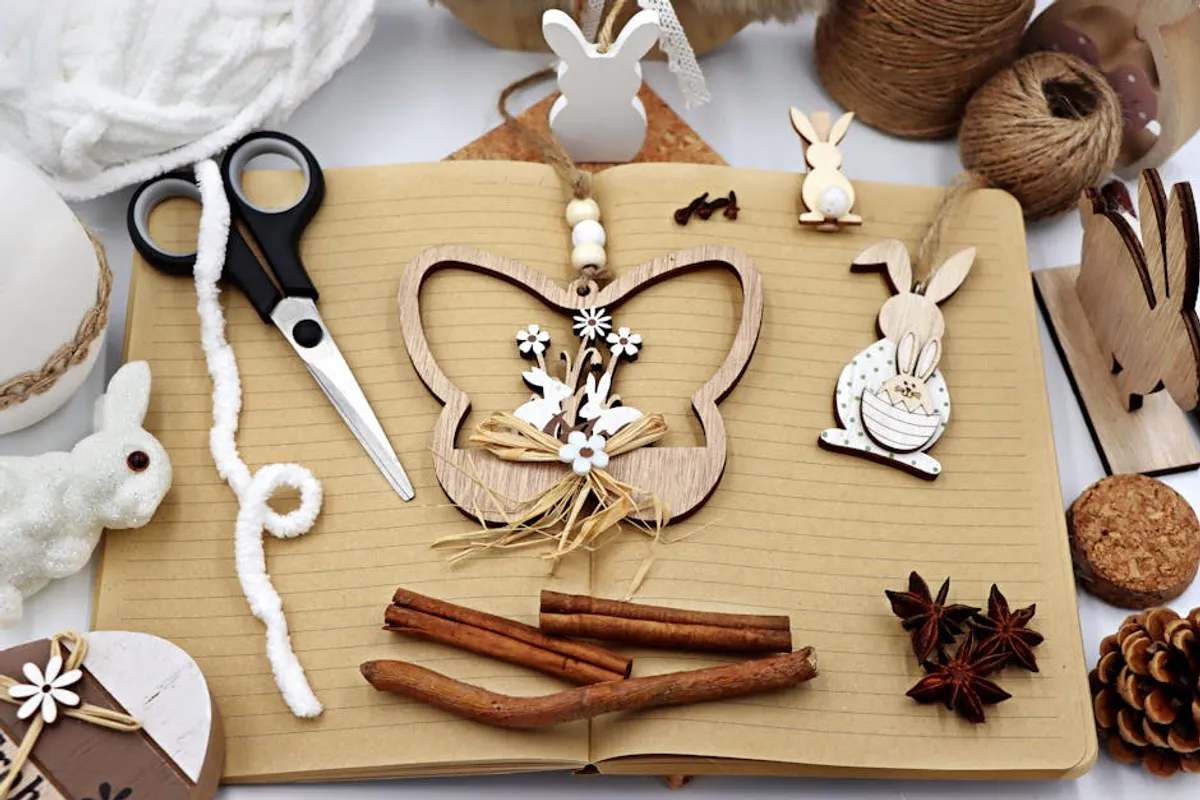
Easter craft ideas offer a tangible way to engage with the holiday, extending beyond traditional celebrations to hands-on activities that create lasting memories and personalized decorations. For families, educators, or event planners, selecting the right crafts involves considering age appropriateness, material accessibility, and the desired outcome—whether it's a simple activity for toddlers or a more intricate project for adults. This guide outlines practical approaches to Easter crafting, focusing on specific techniques, material considerations, and engagement strategies to ensure successful, enjoyable projects for various skill levels and contexts.
Crafting for Different Age Groups
Tailoring craft projects to the developmental stage of participants ensures engagement and minimizes frustration. Understanding the capabilities and interests of each age group is key to successful crafting.
Toddlers and Preschoolers
For children aged 2-5, crafts should prioritize safety, simplicity, and sensory exploration. Projects that involve large, easy-to-handle components, non-toxic materials, and minimal steps are ideal. Focus on activities that develop fine motor skills and color recognition without requiring precision. Examples include tearing paper for collages, using chunky stamps, or decorating pre-cut shapes. Supervision is essential to prevent ingestion of materials and guide the process.
- Materials: Washable paints, large crayons, construction paper, cotton balls, glue sticks, pipe cleaners, googly eyes.
- Projects: Cotton ball bunny tails, finger-painted eggs, paper plate chicks, simple collages with pre-cut shapes.
School-Aged Children
Children aged 6-12 can handle more complex instructions and develop specific skills. Crafts for this group can introduce basic cutting, folding, and assembly techniques. Projects that allow for individual creativity and offer a clear sense of accomplishment are particularly motivating. Consider crafts that integrate storytelling or scientific principles, such as growing cress in eggshells.
Best for: Developing fine motor control, following multi-step directions, and expressing individual creativity.
Teens and Adults
For older participants, crafts can become more sophisticated, focusing on decorative outcomes, personalized gifts, or advanced techniques. Projects may involve intricate details, specialized tools, or a longer completion time. These crafts can serve as stress-relief activities, opportunities for skill development, or ways to create unique home decor. Consider techniques like decoupage, advanced paper crafting, or textile art.
Best for: Creating display-worthy items, personalized gifts, and engaging in mindful, detailed work.
Popular Easter Craft Categories
Easter offers a rich thematic palette, primarily centered around eggs, bunnies, chicks, and spring motifs. Exploring specific categories helps in narrowing down project choices and sourcing appropriate materials.
Egg Decorating Techniques
Decorating eggs is a cornerstone of Easter crafting, with methods ranging from traditional dyeing to intricate artistic applications. Each technique offers a different aesthetic and level of involvement.
- Traditional Dyeing: Uses food coloring or commercial dye kits. Simple, quick, and effective for vibrant, solid colors.
- Natural Dyes: Utilizes ingredients like onion skins, beet juice, turmeric, or red cabbage to create earthy, muted tones. Requires pre-boiling ingredients and longer soaking times.
- Painting: Acrylic paints allow for detailed designs, patterns, and miniature scenes on blown-out or hard-boiled eggs.
- Decoupage: Involves adhering small pieces of tissue paper, fabric, or printed images onto eggs with a craft adhesive for a textured, layered look.
- Marbling: Achieved by floating oil-based paints on water, then dipping the egg to transfer unique patterns.
Bunny and Chick Creations
These iconic Easter figures lend themselves to a wide array of craft projects, from simple paper cut-outs to three-dimensional models.
Examples:
- Paper Crafts: Constructing paper plate bunnies, origami chicks, or paper chain garlands featuring these animals.
- Pom-Pom Animals: Using yarn to create fluffy bunnies or chicks, often incorporating felt ears or beaks.
- Felt Projects: Sewing simple felt figures, finger puppets, or small stuffed animals.
- Sock Bunnies: Repurposing old socks into charming, no-sew bunny figures filled with rice or fiberfill.
Spring-Themed Decorations
Beyond specific Easter characters, crafts can embrace the broader theme of spring, incorporating flowers, greenery, and bright colors to refresh indoor and outdoor spaces.
Consider:
- Wreaths: Crafting door wreaths using artificial flowers, greenery, plastic eggs, or natural elements like twigs and moss.
- Garlands: Creating paper flower garlands, felt leaf banners, or stringing painted wooden beads in spring hues.
- Centerpieces: Assembling table decorations with fresh or artificial flowers, small craft birds, painted eggs, and decorative nests.
Pro Tip: When planning craft activities, especially with children, always prepare all materials in advance. Pre-cutting shapes, setting out paints, and organizing tools minimizes waiting time and maintains engagement. For projects involving glue or paint, cover work surfaces with newspaper or a disposable tablecloth to simplify cleanup.
Materials and Supplies Sourcing
Efficient sourcing of materials is crucial for both cost-effectiveness and project success. Options range from readily available household items to specialized craft store supplies.
Common Household Items
Many effective Easter crafts can be made using items already found at home, promoting repurposing and reducing costs. This approach is particularly useful for spontaneous crafting sessions or large groups.
Examples: Toilet paper rolls (for bunny or chick figures), egg cartons (for flower petals or sorting), plastic bottles (for planters), old newspapers/magazines (for decoupage), cotton balls, string, fabric scraps.
Craft Store Essentials
For specific projects or more durable results, craft stores offer a wider selection of specialized materials. Focusing on versatile items can maximize their utility across multiple projects.
Key items: Construction paper in various colors, felt sheets, acrylic paints, paintbrushes, craft glue, pipe cleaners, googly eyes, pom-poms, glitter, yarn, floral wire, foam sheets, wooden craft shapes.
Eco-Friendly Options
For those prioritizing sustainability, selecting eco-conscious materials can align crafting with environmental values. This includes choosing natural dyes, recycled paper, biodegradable glitter, or repurposing existing items.
Consider: Using natural fibers like cotton or wool, opting for non-toxic, water-based paints, and sourcing materials from sustainable suppliers where possible.
Maximizing Engagement and Display
Beyond the creation process, how crafts are presented and shared contributes significantly to their overall value and enjoyment.
Group Crafting Sessions
Organizing group crafting sessions, whether for a family gathering or a community event, enhances the social aspect of making. Structured activities with clear instructions and ample supplies facilitate participation.
Benefits: Encourages collaboration, shared learning, and a sense of community. Assigning roles (e.g., glue monitor, material distributor) can empower participants.
Displaying Finished Crafts
The presentation of completed crafts transforms them from mere projects into decorative elements or cherished keepsakes. Thoughtful display extends the enjoyment of the crafting effort.
Ideas:
- Easter Tree: Hanging decorated eggs or small ornaments on bare branches arranged in a vase.
- Mantlepiece Decor: Arranging handmade bunnies, chicks, or floral arrangements on a fireplace mantle.
- Window Displays: Taping paper cut-outs or lightweight garlands to windows for exterior and interior viewing.
- Gift Tags: Using smaller crafts as personalized tags for Easter baskets or presents.
- Photo Opportunities: Creating a backdrop with crafts for memorable holiday photos.
Planning Your Easter Craft Activities
Effective planning ensures a smooth and enjoyable crafting experience, whether for a single project or a series of activities. Begin by defining your audience and desired outcomes. For children, prioritize activities that are developmentally appropriate and safe, emphasizing the process over perfection. For adults, projects can lean towards aesthetic appeal and skill development. Gather all necessary materials well in advance, accounting for potential shortages or specific color requirements. Prepare your workspace by covering surfaces and ensuring adequate lighting and ventilation, especially when using paints or adhesives. Finally, consider how the finished crafts will be used or displayed, as this can influence material choices and project scale. A well-organized approach streamlines the creative process and maximizes the satisfaction derived from handmade Easter decorations.
Frequently Asked Questions About Easter Crafts
What are the safest craft materials for toddlers?
For toddlers, prioritize non-toxic, washable materials such as large crayons, finger paints, construction paper, cotton balls, and chunky glue sticks. Avoid small items that could be choking hazards, and always supervise young children during craft activities.
How can I make natural dyes for Easter eggs?
Natural dyes can be made using kitchen scraps: red cabbage for blue, onion skins for orange/brown, turmeric for yellow, and beet juice for pink/red. Boil the ingredients in water with a splash of vinegar, strain the liquid, and soak hard-boiled eggs for several hours or overnight to achieve desired colors.
What are some low-cost Easter craft ideas?
Low-cost ideas include repurposing toilet paper rolls into bunny or chick figures, making paper plate animals, creating collages from magazine cut-outs, or decorating eggs with natural dyes. Utilizing household items like old socks for sock bunnies or fabric scraps for small decorations also minimizes expense.
How can I store handmade Easter decorations for next year?
To store handmade decorations, ensure they are completely dry before packing. Use acid-free tissue paper to wrap delicate items and store them in sturdy, clearly labeled containers in a cool, dry place. For items like wreaths, consider using a dedicated wreath storage bag to maintain their shape.