
Family gear shopping is full of premium products marketed to parents anxious about making the right choice. Most premium gear doesn't justify the price difference over reasonable mid-tier alternatives. Some genuinely does. After two kids and substantial gear-buying, here are six items that consistently earned their cost — and four categories where the premium spending typically doesn't pay off.
The 6 worth the money
1. A high-quality car seat
Britax, Chicco, or comparable mid-to-premium car seats. The cheap ones meet safety standards but the better ones have features (easier installation, better ergonomics, longer use windows) that matter daily.
What they cost: $200-400 for good options.
Why worth it: daily use across years. Safety is the baseline; usability is what makes the difference between products that work for your family and products that frustrate you constantly.
2. A reliable stroller you actually like pushing
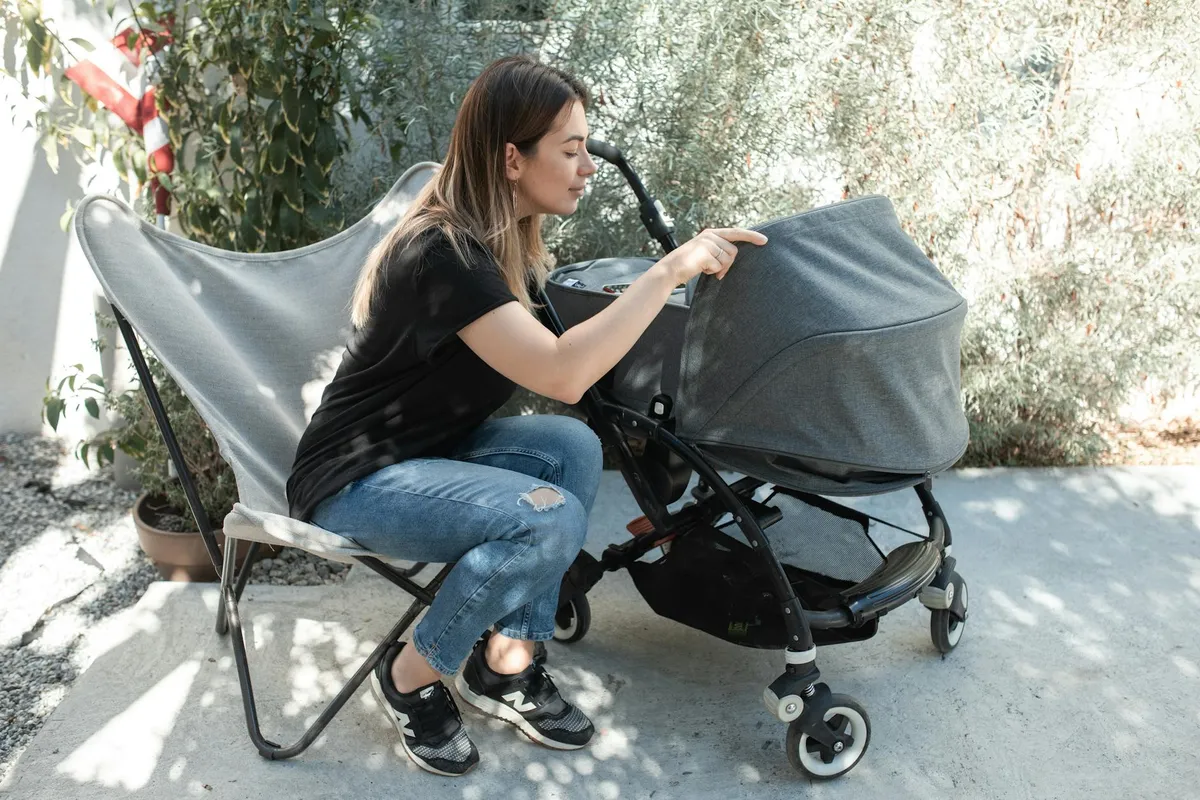
The stroller you'll use is the one you don't hate. Premium strollers (Bugaboo, UPPABaby, Stokke) are expensive but the quality difference is real. They handle better, fold easier, last longer.
What they cost: $400-900 for premium; comparable functionality available used for half.
Why worth it: daily use across 3-5 years. The cumulative time spent pushing the stroller justifies the investment in one that's pleasant to use.
3. A diaper bag that doesn't look like a diaper bag
The dedicated "diaper bags" are typically ugly and overpriced. A regular backpack with one or two pouches inside works better and looks like a regular bag. Use it after the diaper years.
What it costs: $50-150 for quality backpack.
Why worth it: functions across daily use; doesn't scream "parent" the way dedicated diaper bags do; useful for years after the diaper need ends.
4. A real video monitor
The audio-only baby monitors are inadequate; the cheap video ones have terrible image quality. A real video monitor (Owlet, Nanit, or comparable) provides actual visibility to your sleeping kid.
What it costs: $150-300 for quality options.
Why worth it: peace of mind during the years it's needed. The cheaper alternatives don't actually solve the problem.
5. Quality kid clothes (in select categories)
Kids grow out of clothes constantly, so cheap clothes make sense for most categories. Exceptions: shoes (cheap shoes hurt kid feet) and outerwear (cheap winter coats don't actually keep kids warm).
What it costs: $50-100 for good kid shoes; $80-200 for quality winter coats.
Why worth it: the price-quality difference shows up in shoes and outerwear in ways that don't apply to most other clothes.
6. A good kids' bike
The cheap big-box kids' bikes are heavier than the kids who ride them, brake poorly, and are generally awful. Lighter bikes (Cleary, Woom, others) cost more but actually work for kids.
What it costs: $300-500 for quality kids' bikes.
Why worth it: kids actually ride them. The cheap ones often get abandoned because they're too hard to use.
The 4 not worth the premium spending
1. High-end baby clothes
The boutique baby brands (Petit Bateau, Baby Gap premium lines, comparable) charge premium prices for clothes that get worn for weeks before being outgrown. The quality difference doesn't justify the cost when the use window is so short.
Better alternative: Carter's, Old Navy, or hand-me-downs work fine for baby clothes. Save the premium spending for kids who will wear clothes longer.
2. Designer baby furniture
The designer cribs, changing tables, and dressers cost dramatically more than basic versions and don't function meaningfully better. The kid doesn't notice; the parents notice during the few years it's relevant.
Better alternative: IKEA or Pottery Barn Kids basic versions. Save the spending for items used daily.
3. Educational tablets and tech designed for kids
The "kid-safe" tablets (LeapPad, Amazon Kids tablets, comparable) are mediocre devices at premium prices. They have less capability than basic tablets while costing nearly as much.
Better alternative: a basic Fire tablet or older iPad with appropriate parental controls works better and lasts longer.
4. Most "smart" baby products
Smart bassinets, smart monitors with extensive features, smart bottles. Most add complexity without proportionate benefit. The features rarely match how parents actually use the products.
Better alternative: simpler products that do the basic job well usually outperform complex ones at the price points where complex ones live.
The buying framework that emerged
For family gear purchases:
- Spend on items used daily across years (car seats, strollers, monitors, bikes). The cost-per-use math justifies the investment.
- Don't spend on items used briefly (newborn clothes, infant gear used for months not years).
- Don't pay premium for "designer" branding on functional items. The branding rarely correlates with functional improvement.
- Be skeptical of "smart" features on products where the basic functionality is what matters.
- Buy used where appropriate for short-use items in good condition.
The takeaway
Family gear can absorb enormous money without proportionate benefit. The 6 items above genuinely earn premium spending; the 4 categories don't. Discipline in matching spending to value produces better outcomes than reflexive premium purchasing.
Audit your gear purchases against this framework. Save where possible; spend where it matters.