
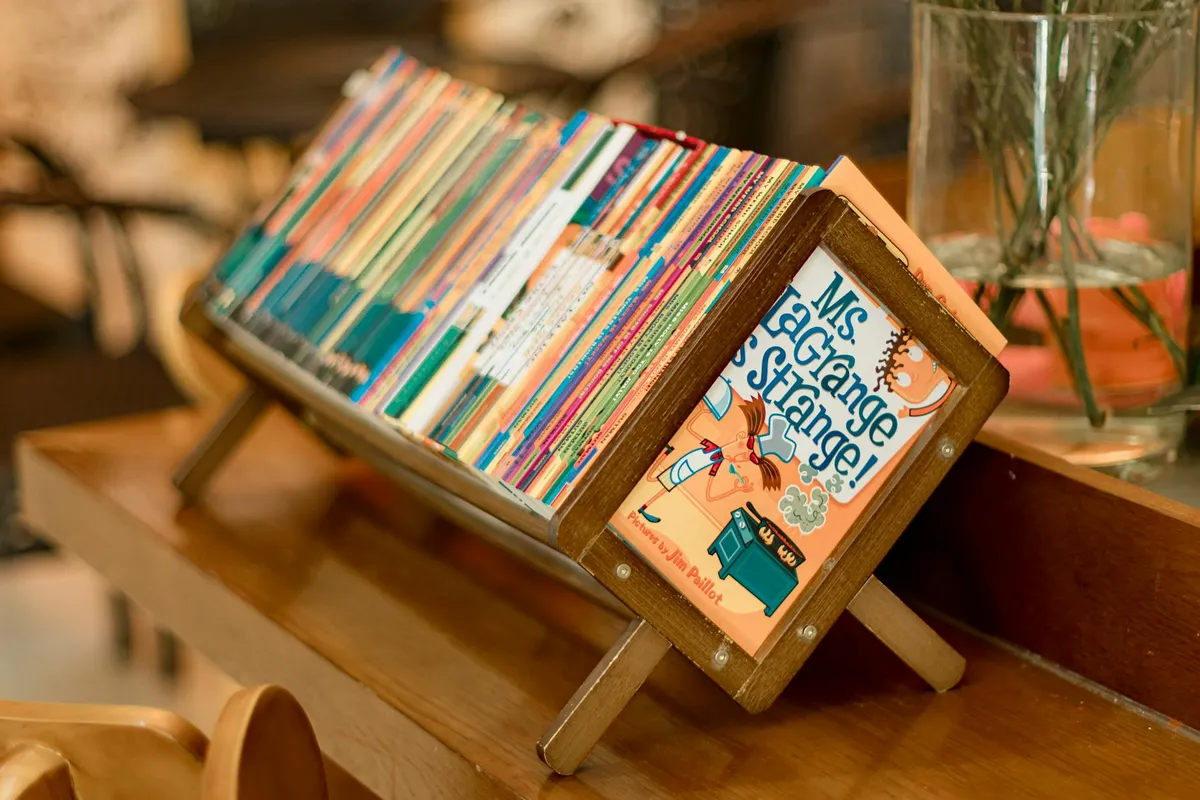
We've bought hundreds of picture books across two kids and five years. Most have been read once and forgotten. A small number have entered the permanent rotation — books my kids ask for repeatedly, books I don't mind reading aloud for the fortieth time. Here are 10 that have earned that permanent status, with what makes each one work.
1. The Snowy Day by Ezra Jack Keats
The Caldecott winner from 1962 still works perfectly with contemporary kids. The text is spare; the illustrations carry most of the story. Kids respond to the universal experience of a kid exploring snow.
Why it works: the artwork is gorgeous in a way kids notice. The story is calm enough for bedtime but engaging enough to hold attention. The historical significance is invisible to kids; the book just works.
2. Where the Wild Things Are by Maurice Sendak
Another Caldecott winner from 1963. The journey to where the wild things are and back home addresses something kids feel — the desire to escape, the relief of return.
Why it works: the wild rumpus pages provide the kind of dramatic high point kids love. The ending — supper still warm — addresses the unspoken anxiety the journey raised. The structure is perfect.
3. Goodnight Moon by Margaret Wise Brown
The classic. Read for many years now, still works. The sound and rhythm of the text serves the bedtime function the book is designed for.
Why it works: the rhythm produces the calming effect the book aims for. The illustrations reward repeated reading (the small details, the moon's position changing). It's purpose-built for bedtime and it works.
4. Last Stop on Market Street by Matt de la Peña
Newer (2015) but already permanent. A boy traveling with his grandmother on a city bus. The relationships, the urban setting, and the gentle wisdom of the grandmother make this rewarding for both kids and adults.
Why it works: the story has substance without being heavy. The illustrations are warm and detailed. The book doesn't pander; kids respect that.
5. Stellaluna by Janell Cannon
The bat raised by birds. The story of difference, belonging, and finding family. My kids have asked for this for years.
Why it works: the illustrations are gorgeous (the bat painted in detail). The narrative is satisfying — separation, alternative belonging, reunion. The educational content (about bats specifically) is integrated rather than bolted on.
6. The Book with No Pictures by B.J. Novak
The book with literally no pictures, just text the reader has to say out loud. Kids find this hilarious; it makes parents engage with the reading rather than just turning pages.
Why it works: the joke depends on the parent fully committing to reading it. When parents do, kids laugh continuously. The book respects kids' enjoyment of word play and the absurdity of adult performance.
7. Press Here by Hervé Tullet
The interactive book — kids press dots and the dots multiply or change color when they turn the page. Works from age 2 through at least age 6.
Why it works: the interaction is real even though the book is just a book. Kids genuinely believe their pressing causes the changes. The minimal design produces maximum engagement.
8. The Day the Crayons Quit by Drew Daywalt
Each crayon writes a complaint letter to the kid who owns them. Funny, character-rich, with illustrations that match the crayon-letter conceit perfectly.
Why it works: the conceit is sustained throughout. Each crayon's complaint is funny in a different way. The format invites kids to imagine other crayon perspectives.
9. Owl Moon by Jane Yolen
A girl going owling with her father in winter. Quiet, beautiful, with extraordinary illustrations by John Schoenherr.
Why it works: the story trusts kids with quiet narrative pace. The relationship between father and daughter is touching without being saccharine. The artwork is calm enough for bedtime.
10. The Very Hungry Caterpillar by Eric Carle
The classic. Counting, days of the week, food, transformation. Works from infancy through preschool.
Why it works: Carle's art is timeless. The book has educational content built into engaging story. The transformation ending is satisfying for kids.
What these books have in common
- Strong illustrations. The artwork carries equal weight with the text. Not just decorative.
- Trust the audience. The books don't pander. Kids respect that.
- Repeatable. The books work on the 40th reading as well as the first.
- Adult-friendly. Parents enjoy reading them, which makes the reading sustainable.
- Substantive without being heavy. The books have content but don't crush the reading experience with weight.
What doesn't work
Patterns in books that didn't earn permanent rotation:
- Books with weak illustrations (text-only books rarely work as picture books)
- Books that pander or moralize obviously (kids feel patronized)
- Books too long for their target age (single-reading attention span limits)
- Books without rereading payoff (one-and-done content)
- Books based on TV/movie characters (often weaker than originally-conceived books)
The buying strategy
For building a book collection that gets read:
- Buy from the canon. The classic picture books are classic because they work. Start with award winners (Caldecott, Newbery for older kids).
- Read at the bookstore or library before buying. The books that work are usually obvious in initial reading.
- Trust your kid's repeat requests. Books they ask for repeatedly are the ones that earn permanent shelves.
- Don't over-buy. Better to have 50 great books than 200 mediocre ones.
The takeaway
Most picture books are read once and shelved. The exceptional ones become permanent. The 10 above are exceptional in our experience and likely will be in yours.
Pick from this list for your next book purchase. The books work across families because the underlying patterns of what makes picture books great are general.